
Arm and Wrist Pain at Work? Galway Physio Tips to Reduce Strain
Introduction
If you're experiencing arm and wrist pain at work, you're not alone. Many individuals in Galway City face similar challenges, especially due to repetitive tasks and poor ergonomics. At Peak Physiotherapy, we understand the impact of strain on your daily activities and overall quality of life. In this article, we will explore the common causes of arm and wrist pain, practical strategies to alleviate discomfort, and evidence-based treatment options that can enhance your workplace experience.
What Causes Arm and Wrist Pain at Work?
Arm and wrist pain can stem from various factors, including:
- Repetitive Strain Injuries (RSIs): Repetitive movements, such as typing or using a mouse, can lead to conditions like carpal tunnel syndrome or tendinitis.
- Poor Ergonomics: Incorrect workstation setup can cause undue stress on your muscles and joints, leading to pain and discomfort.
- Muscle Overuse: Extended periods of physical activity without breaks can lead to muscle fatigue and strain.
- Trauma or Injury: Sudden injuries from falls or heavy lifting can cause acute pain in the arms and wrists.
How Can I Reduce Arm and Wrist Strain?
Reducing arm and wrist strain while at work involves a combination of ergonomic adjustments, regular breaks, and exercises. Here are some practical tips:
- Adjust Your Workspace: Ensure your desk, chair, and computer monitor are at appropriate heights to maintain neutral wrist positions. Your elbows should be at a 90-degree angle, and your wrists should be straight while typing.
- Take Frequent Breaks: Implement the 20-20-20 rule. Every 20 minutes, take a 20-second break to look at something 20 feet away. This helps reduce eye strain and encourages you to move your body.
- Practice Stretching Exercises: Incorporating stretches into your routine can improve flexibility and relieve tension in your wrists and arms. Simple wrist flexor and extensor stretches can be beneficial.
- Strengthening Exercises: Strengthening the muscles around your wrists can help reduce the risk of injury. Exercises like wrist curls and grip strengthening with a stress ball may be effective.
What Treatments Are Available for Arm and Wrist Pain?
If your pain persists despite self-care measures, Peak Physiotherapy offers various treatments tailored to your needs:
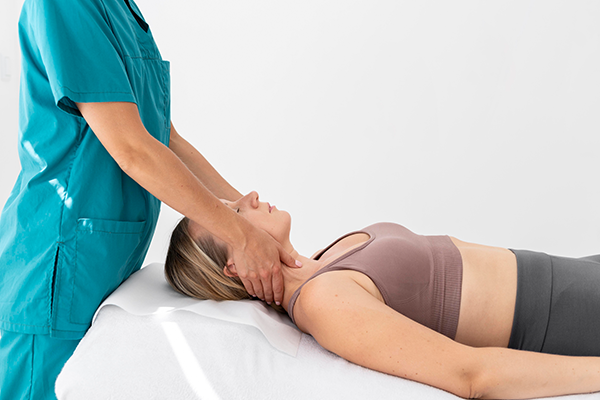
- Manual Therapy: Our physiotherapists may use hands-on techniques to relieve pain and restore mobility.
- Modalities: Treatments such as ultrasound, electrical stimulation, or cold therapy can help reduce pain and inflammation.
- Custom Exercise Programs: We will design an exercise program tailored to your specific needs and job requirements to enhance recovery and prevent future injuries.
- Education and Advice: Understanding proper techniques and ergonomic principles is crucial for preventing arm and wrist pain.
When Should I See a Physiotherapist?
It's important to seek professional help if you experience:
- Persistent pain that lasts more than a few days
- Numbness or tingling in your fingers or hands
- Difficulty with normal activities or loss of strength
Frequently Asked Questions (FAQ)
1. What are the symptoms of carpal tunnel syndrome?
Common symptoms include numbness, tingling, or pain in the thumb, index, middle, and part of the ring finger. Symptoms often worsen at night and can extend up the arm.
2. How can I improve my typing posture?
Keep your wrists in a neutral position, use a comfortable keyboard and mouse, and ensure your chair is adjusted to support your back and legs properly.
3. Are there specific exercises to alleviate wrist pain?
Yes, wrist flexor and extensor stretches, as well as grip strengthening exercises with resistance bands can help relieve wrist pain.
4. Can ergonomic equipment really make a difference?
Absolutely, ergonomic equipment is designed to reduce strain and discomfort, helping to prevent injuries associated with poor posture and repetitive motions.
5. What is the recovery time for wrist injuries?
Recovery time varies depending on the severity of the injury and the treatment approach. Mild injuries may heal within a few weeks, while more severe injuries might take several months.
Conclusion
Arm and wrist pain can significantly impact your productivity and overall well-being. At Peak Physiotherapy in Galway City, our expert team is dedicated to providing tailored treatment and preventive strategies to help you manage and reduce pain. Don’t let discomfort keep you from performing at your best! Book an appointment today to get personalized guidance and support.