
Building Resilience in Your Joints With Galway Physio Exercises
Building Resilience in Your Joints With Galway Physio Exercises
At Peak Physiotherapy in Galway City, we understand that maintaining joint health is crucial for overall mobility and well-being. Building resilience in your joints is especially important for those suffering from foot conditions such as plantar fasciitis, arthritis, or tendonitis. In this post, we will explore effective physiotherapy exercises tailored to improve joint strength and flexibility, enhance function, and reduce pain.
What Causes Joint Pain?
Joint pain can arise from various factors, including:
- Injuries: Trauma to the joints can lead to inflammation and chronic pain.
- Degenerative Conditions: Conditions like osteoarthritis cause wear and tear on the cartilage.
- Poor Biomechanics: Abnormal foot mechanics can place excessive stress on the joints.
- Systemic Diseases: Disorders such as rheumatoid arthritis can affect joint health.
Identifying the underlying cause of your joint pain is crucial for effective treatment. Consulting with a physiotherapist is often the first step towards managing and alleviating discomfort.
How Can I Treat Joint Pain with Physiotherapy Exercises?
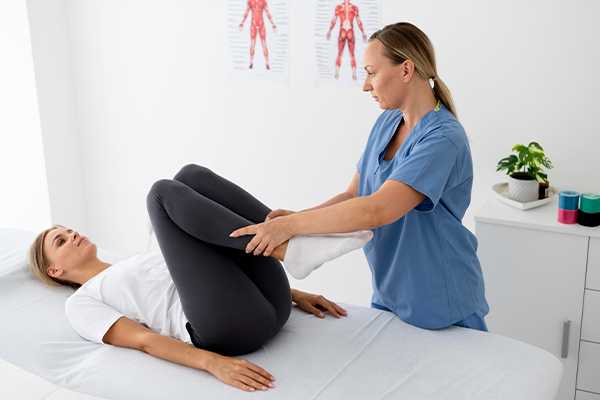
Physiotherapy plays a vital role in the rehabilitation of joint injuries. Here are some exercises that can help build resilience in your joints:
1. Range of Motion Exercises
These exercises help maintain or improve the flexibility of your joints.
- Ankle Circles: Sit with your leg extended. Rotate your foot clockwise and then counter-clockwise.
- Knee Flexion: Stand and bend your knee, bringing your heel towards your glutes. Hold for a few seconds and lower.
2. Strengthening Exercises
Strength training is essential for stabilizing your joints and supporting surrounding muscles.
- Heel Raises: Stand on the edge of a step and raise your heels, then lower them below the step level.
- Leg Press: Using a resistance band, press your knee outward while seated to build strength in the hips.
3. Balance and Proprioception Training
Enhancing balance can prevent falls and improve joint stability.
- Single-Leg Stand: Stand on one leg for 30 seconds. Switch legs and repeat.
- Bosu Ball Exercises: Using a Bosu ball can challenge your balance and improve muscular coordination.
Are There Specific Conditions That Benefit from Galway Physio Exercises?
Yes, several foot and joint conditions can significantly benefit from targeted physiotherapy exercises:
- Plantar Fasciitis: Stretching the plantar fascia can alleviate heel pain.
- Achilles Tendonitis: Eccentric heel drops can help in the healing of the Achilles tendon.
- Osteoarthritis: Strengthening surrounding muscles can help ease the burden on the joint.
How Often Should I Perform These Exercises?
For optimal results, it is generally recommended to perform your prescribed exercises:
- Daily: Flexibility and range-of-motion exercises can usually be done daily.
- 2-3 Times a Week: Strengthening exercises should be included in your routine several times a week.
- As Directed: Always follow the specific recommendations of your physiotherapist.
What Should I Expect from My Physiotherapy Sessions?
During your visits to Peak Physiotherapy, your physiotherapist will:
- Conduct a thorough assessment of your joints and overall biomechanics.
- Develop an individualized exercise program based on your needs.
- Teach you techniques for pain management and injury prevention.
Frequently Asked Questions
1. Can I do these exercises at home?
Yes, many of these exercises can be performed at home. Your physiotherapist will guide you on how to do them safely and effectively.
2. How long will it take to see results?
Results can vary from person to person. Typically, you may start feeling improvement within a few weeks of consistent exercise.
3. Is pain normal during exercises?
While some discomfort is normal, sharp or acute pain is not. Stop the exercises if you experience intense pain and consult your physiotherapist.
4. Do I need special equipment for these exercises?
Most exercises can be performed without special equipment. However, items like resistance bands or a Bosu ball may enhance your workouts.
5. How often should I consult a physiotherapist?
Initial consultations may occur weekly, but as you progress, visits may taper off to bi-weekly or monthly, depending on your needs.
Building resilience in your joints is essential for a healthy and active lifestyle. By incorporating specific physiotherapy exercises prescribed by a specialist at Peak Physiotherapy, you can significantly enhance your joint health and comfort. If you're ready to take the first step towards improving your joint resilience, or if you have any concerns about existing conditions, contact us today to book your appointment in Galway City.