
Clicking Jaw: Should You Be Concerned?
Understanding the Clicking Jaw: A Comprehensive Guide
If you’ve ever experienced a clicking noise when moving your jaw, you may wonder if it’s a cause for concern. At Peak Physiotherapy in Galway City, we understand that jaw discomfort can be perplexing. This blog post will delve into the causes, symptoms, and treatments associated with a clicking jaw, offering you reliable information to make informed decisions about your health.
What Causes a Clicking Jaw?
A clicking jaw, medically referred to as temporomandibular joint (TMJ) dysfunction, can arise from various factors:
- Jaw Injury: Trauma to the jaw can lead to changes in the structure of the temporomandibular joint.
- Arthritis: Degenerative arthritis can impact the joint, causing inflammation and noise during movement.
- Jaw Misalignment: An improper bite or teeth alignment can lead to an uneven distribution of force on the jaw joint.
- Muscle Tension: Clenching or grinding your teeth, often due to stress, can strain the muscles around the jaw.
- Disc Displacement: A displacement of the articular disc that cushions the joint can lead to clicking sounds.
Are There Any Symptoms to Look Out For?
While a clicking noise may be harmless for some, it can also be accompanied by other symptoms that may indicate underlying issues. Common associated symptoms include:
- Pain or tenderness in the jaw or surrounding areas
- Difficulties when chewing or biting
- Frequent headaches or migraines
- Earaches or sensations of fullness in the ears
- Reduced range of motion in the jaw
How is a Clicking Jaw Diagnosed?
Diagnosis of TMJ dysfunction typically involves a thorough clinical examination. Your healthcare provider may:
- Take a comprehensive medical history
- Perform a physical examination of your jaw
- Utilize imaging studies such as X-rays or MRIs to visualize the joint and surrounding structures
If you are experiencing persistent clicking or discomfort, it is essential to seek professional evaluation from our experts at Peak Physiotherapy.
How Can I Treat a Clicking Jaw?
There are several treatment options available to manage symptoms associated with a clicking jaw. These can be broadly categorized into non-surgical and surgical interventions:
Non-Surgical Treatments
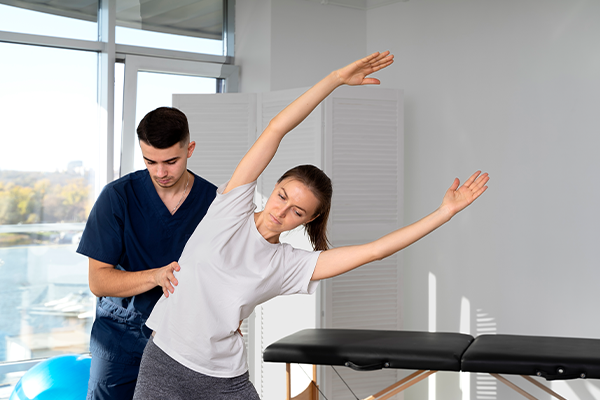
- Physical Therapy: Customized exercises can help improve jaw mobility and reduce tension in surrounding muscles.
- Heat and Ice Therapy: Applying heat or ice packs can relieve muscle tension and reduce inflammation.
- Medications: Non-steroidal anti-inflammatory drugs (NSAIDs) can help alleviate pain and inflammation.
- Orthotics or Night Guards: Dental appliances can help align the jaw and prevent teeth grinding.
- Stress Management: Techniques like mindfulness and relaxation exercises can reduce muscle tension.
Surgical Options
In cases where conservative treatments are ineffective, surgical interventions may be considered:
- Arthroscopy: A minimally invasive procedure used to diagnose and treat joint disorders.
- Open Joint Surgery: This may be necessary for severe cases involving significant structural issues.
Are There Any Home Remedies to Consider?
In addition to professional treatments, several home remedies may provide relief:
- Consume soft foods to reduce strain on the jaw.
- Practice gentle jaw stretching exercises.
- Avoid excessive chewing (e.g., gum or hard foods).
- Incorporate relaxation techniques to manage stress levels.
When Should You Seek Medical Attention?
If your clicking jaw is persistent, accompanied by severe pain, or if it begins to interfere with daily activities, it is advisable to seek medical care. Early intervention can prevent further complications and ensure optimal treatment outcomes.
FAQs About Clicking Jaw
1. Is a clicking jaw always a serious issue?
No, a clicking jaw is not always serious. However, if accompanied by pain or limited movement, it's best to consult a healthcare provider.
2. Can stress cause a clicking jaw?
Yes, stress can lead to teeth grinding and jaw clenching, both of which may contribute to a clicking jaw.
3. Is physical therapy effective for treating TMJ dysfunction?
Physical therapy can be highly effective in reducing symptoms and improving jaw function through specialized exercises.
4. Can diet affect my clicking jaw?
A soft diet can help reduce strain on the jaw, while chewing hard or tough foods may exacerbate symptoms.
5. What should I do if I suspect I have TMJ dysfunction?
If you suspect TMJ dysfunction, it is advisable to book an appointment with a professional for proper diagnosis and treatment recommendations.
Conclusion
A clicking jaw can be concerning, but with the right information and care, it can often be managed effectively. If you’re in Galway City and are experiencing symptoms consistent with TMJ dysfunction, our team at Peak Physiotherapy is here to help. Book your appointment today via our booking link for a thorough evaluation and tailored treatment plan.