
Common Running Injuries and How to Avoid Them
Understanding Common Running Injuries
If you’re an avid runner in Galway City, you may experience common injuries that could hinder your performance or even sideline you. At Peak Physiotherapy, we focus on understanding the root causes of these injuries, emphasizing prevention strategies to help you continue enjoying your runs pain-free.
What Causes Running Injuries?
Running injuries are often the result of overuse, improper technique, inadequate footwear, and insufficient recovery. Here’s a closer look at some of the most prevalent conditions:
- Plantar Fasciitis: This condition occurs due to inflammation of the plantar fascia, the tissue that runs along the bottom of your foot. It can cause heel pain, especially with the first steps upon waking up.
- Runner's Knee (Patellofemoral Pain Syndrome): This is characterized by pain around the kneecap, often exacerbated by running downhill or sitting for extended periods with bent knees.
- Achilles Tendinitis: Involves inflammation of the Achilles tendon, typically resulting from repetitive strain. Symptoms include stiffness at the back of the heel which can worsen with activity.
- Shin Splints (Medial Tibial Stress Syndrome): Pain along the shin bone (tibia) manifests during running, particularly when increasing intensity or changing terrain.
- IT Band Syndrome: This occurs when the Iliotibial band, a thick band of tissue running from the hip to the shin, becomes tight or inflamed, leading to pain on the outer knee.
How Can I Avoid Running Injuries?
Preventing injuries requires a multifaceted approach. Here are essential strategies:
- Wear Proper Footwear: Invest in well-fitted, quality running shoes tailored to your foot type and gait. Consider visiting our clinic for a gait analysis to identify the best footwear for you.
- Gradually Increase Mileage: Follow the 10% rule—avoid increasing your weekly mileage by more than 10% to prevent overuse injuries.
- Incorporate Strength Training: Strengthening exercises tailored for runners can help build resilience in key muscle groups, reducing the risk of injury.
- Practice Good Running Form: Focus on maintaining an upright posture, landing softly, and establishing a cadence of 170-180 steps per minute to minimize strain.
- Rest and Recovery: Schedule rest days in your training to allow your muscles and joints to recover adequately. Consider including cross-training activities to reduce impact.
How Can I Treat Running Injuries?
If you do experience a running injury, timely and effective treatment is crucial. Here are some initial treatment steps:
- Rest and Ice: Modify your activity levels and apply ice to the affected area to reduce swelling and pain.
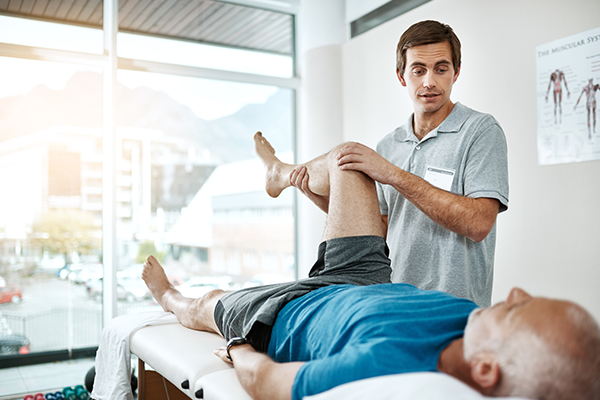
- Physical Therapy: At Peak Physiotherapy, we offer specialized treatment plans that focus on rehabilitation, including targeted stretches and strengthening exercises.
- Compression and Elevation: Use compression garments and elevate the injured limb to reduce swelling.
- Medication: Non-steroidal anti-inflammatory drugs (NSAIDs) can help alleviate pain and inflammation but should be used cautiously and under professional guidance.
- Gradual Return to Running: Once symptoms subside, follow a structured re-introduction plan to gradually return to your running routine.
What Should I Know About Specific Running Injuries?
Different injuries require different approaches:
- Plantar Fasciitis: Use supportive shoe inserts, and perform calf stretches and toe curls to strengthen the affected area.
- Runner's Knee: Focus on quadriceps strengthening exercises and ensuring that your running mechanics are sound.
- Achilles Tendinitis: Eccentric heel drops (slowly lowering the heel while standing on a step) can be particularly beneficial.
Frequently Asked Questions (FAQ)
- 1. How can I tell if I have a running injury? Look for persistent pain, swelling, or discomfort that worsens with activity. If symptoms last more than a few days, consult a healthcare professional.
- 2. Can running on hard surfaces cause injuries? Yes, running on hard surfaces can increase impact stress on your joints. Utilize softer surfaces like grass or synthetic tracks when possible.
- 3. Is stretching important for runners? Absolutely. Stretching helps maintain flexibility, which can prevent injuries. Incorporate both dynamic stretches before runs and static stretches after.
- 4. When should I seek professional help for my running injury? If pain persists or affects your daily activities after several days of rest and home treatment, it’s essential to consult a podiatrist or physical therapist.
- 5. Can nutrition impact my injury recovery? Yes, a balanced diet supports recovery by providing essential nutrients. Focus on protein for muscle repair and anti-inflammatory foods like fruits and vegetables.
Conclusion
Understanding and preventing common running injuries is crucial for any runner, especially here in Galway City. At Peak Physiotherapy, we are dedicated to helping you achieve your running goals while minimizing injury risks. For personalized assessments and tailored treatment plans, book an appointment with us today.