
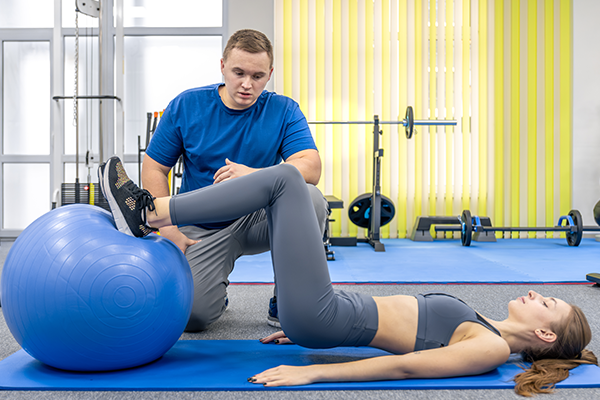
Falls Prevention in Galway City: Physiotherapy Strategies
Falls Prevention in Galway City: Physiotherapy Strategies
Falls are a significant health concern for individuals of all ages, particularly for older adults. At Peak Physiotherapy in Galway City, we recognize the importance of implementing effective strategies to reduce the risk of falls. This blog post explores evidence-based physiotherapy strategies that can help enhance balance, strength, and overall mobility to prevent falls.
What Causes Falls?
Understanding the underlying causes of falls is crucial for prevention. Falls can result from various factors, including:
- Muscle Weakness: Decreased strength in the lower extremities can impair balance and stability.
- Reduced Balance: Conditions like vestibular disorders can lead to poor coordination and dizziness.
- Foot Conditions: Issues such as plantar fasciitis, bunions, or neuropathy can affect gait and stability.
- Medication Side Effects: Certain medications can cause dizziness or drowsiness, increasing fall risk.
- Environmental Hazards: Clutter, poor lighting, or uneven surfaces can make falls more likely.
How Can Physiotherapy Help with Falls Prevention?
Physiotherapy offers a range of interventions designed to address the factors contributing to falls. Here are several strategies utilized by our team at Peak Physiotherapy:
1. Strength Training
Strengthening the muscles of the legs, core, and hips can significantly enhance stability. Evidence suggests that resistance training improves muscle power and overall functional performance. Exercises may include:
- Squats
- Lunges
- Calf raises
- Leg press exercises
2. Balance and Gait Training
Balance training is essential for falls prevention. By improving proprioception and coordination, physiotherapy can foster a safer walking pattern. Techniques may involve:
- Single-leg standing exercises
- Heel-to-toe walking
- Use of stability balls or balance boards
3. Vestibular Rehabilitation
For patients experiencing dizziness or vertigo, vestibular rehabilitation can help retrain the brain to process balance information. This may include specific head and eye coordination exercises to enhance balance control.
4. Footwear and Orthotics Assessment
Proper footwear is crucial for stability. Our physiotherapists conduct assessments to recommend appropriate shoe types and discuss the potential benefit of orthotics for conditions such as flat feet or high arches. This can lead to improved posture and reduced fall risk.
What Foot Conditions Increase Fall Risk?
Several foot conditions can predispose individuals to falls. These include:
- Plantar Fasciitis: Causes heel pain, leading to altered gait.
- Diabetic Neuropathy: Can impair sensation and balance.
- Bunions: May lead to foot instability and discomfort while walking.
- Corn and Calluses: Can create uneven surfaces underfoot, impacting balance.
How Can I Treat My Balance Issues at Home?
In addition to professional physiotherapy, there are several strategies you can implement at home for improving balance:
- Regular Exercise: Engaging in activities like yoga, tai chi, or swimming can enhance overall balance.
- Home Safety Modifications: Removing tripping hazards, using non-slip mats, and installing grab bars can create a safer home environment.
- Foot Care: Regularly inspecting and caring for your feet can prevent conditions that lead to instability.
What Exercises Can Support Falls Prevention?
Here are a few exercises specifically designed to support falls prevention:
- Sit-to-Stand: From a seated position, rise to a standing position without using your hands. Repeat 10 times.
- Heel Raises: Stand behind a chair and rise up onto your toes, then lower back down. Aim for 10 repetitions.
- Side Leg Raises: Stand and lift one leg to the side, keeping your body upright. Hold each lift for a few seconds; repeat 10 times on each leg.
FAQ About Falls Prevention
1. How do I know if I am at risk of falling?
Common signs include experienced dizziness, previous falls, muscle weakness, or balance problems. A physical therapist can help assess your risk.
2. Can physiotherapy really reduce the risk of falling?
Yes, physiotherapy focuses on improving strength, balance, and flexibility, which are essential in reducing fall risk.
3. What should I do if I fall?
If you fall, assess for injuries and seek assistance. Follow up with a healthcare provider and consider physiotherapy for rehabilitation.
4. Are there specific assessments for falls risk?
Yes, physiotherapists conduct thorough assessments that may include balance tests and strength evaluations to identify your fall risk.
5. How often should I attend physiotherapy sessions for falls prevention?
The frequency depends on your individual needs, but typically, once or twice a week can provide significant benefits.
In conclusion, preventing falls is a multifaceted approach, and at Peak Physiotherapy in Galway City, our team is dedicated to creating personalized care plans tailored to individual needs. By utilizing various physiotherapy strategies, we can effectively address risk factors and promote a safer, more active lifestyle.
If you are concerned about falls or wish to learn more about our physiotherapy services, we invite you to book an appointment today.