
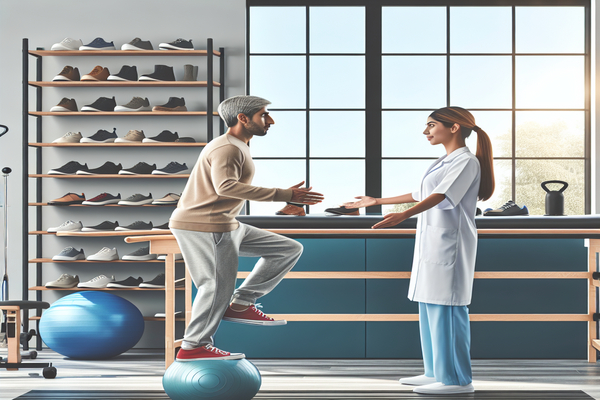
Footwear, Balance, and Falls: Galway Physiotherapists Weigh In
Understanding the Connection Between Footwear, Balance, and Falls
At Peak Physiotherapy in Galway City, we prioritize comprehensive patient care. One critical aspect of our focus is the connection between footwear, balance, and the prevalence of falls, particularly among older adults and those with specific foot conditions. Proper footwear is essential, not only for comfort but also to enhance stability and reduce the risk of falls.
What Causes Poor Balance and Increased Risk of Falls?
Poor balance can be attributed to various factors, including:
- Muscle Weakness: Weakness in lower extremity muscles can significantly impair balance, especially in older adults.
- Foot Conditions: Conditions such as plantar fasciitis, flat feet, or diabetic neuropathy can alter gait and stability.
- Neurological Disorders: Diseases such as Parkinson’s or multiple sclerosis can greatly affect coordination and balance.
- Vision Impairments: Difficulty seeing can influence spatial awareness and lead to falls.
- Improper Footwear: Shoes that lack support, have worn-out soles, or do not fit properly can decrease balance and increase the risk of falling.
How Do Footwear Choices Impact Balance?
The type of shoes you wear plays a crucial role in maintaining balance. Here are several ways footwear affects stability:
- Arch Support: Shoes with proper arch support align the foot's anatomy, aiding in balance.
- Cushioning: Sufficient cushioning absorbs shock, reducing the risk of injuries from falls.
- Sole Traction: Shoes with adequate traction minimize slipping on various surfaces.
- Fit: Well-fitting shoes prevent blisters and pressure points, encouraging better mobility.
Research indicates that wearing appropriate footwear can reduce the incidence of falls in older populations by providing better support and increasing comfort during movement (Cameron et al., 2018).
What Types of Footwear Are Best for Preventing Falls?
When selecting suitable footwear to prevent falls, consider the following:
- Flat, Non-Slip Soles: Look for shoes with a wide base and a non-slip sole to enhance grip.
- Sturdy Construction: Shoes that offer support to the heel and the arch can help maintain foot stability.
- Adjustable Features: Opt for shoes with adjustable straps or laces for a secure fit.
- Lightweight Materials: Lighter shoes can reduce fatigue and improve ease of movement.
A study conducted by the Journal of the American Geriatrics Society found that older adults who wore appropriate shoes experienced fewer falls compared to those wearing inadequate footwear (Cameron et al., 2018).
How Can I Treat Balance Issues and Potential Fall Risks?
If you or a loved one are experiencing balance issues, consider taking the following steps:
- Consult a Specialist: Schedule an appointment with a qualified physiotherapist or podiatrist who can assess your foot health and balance.
- Footwear Assessment: Evaluate your current footwear to ensure it meets the necessary criteria for safety and comfort.
- Balance Exercises: Participate in exercises designed to improve your overall stability. Simple routines can be taught by your physiotherapist.
- Foot Orthotics: Consider custom orthotics for additional arch support if you have specific foot conditions affecting your balance.
- Rehabilitation Programs: Engage in rehabilitation programs that focus on strength training and balance improvement.
Why Is Regular Foot Care Important?
Regular foot care is essential for maintaining not just foot health but also functional mobility. Issues such as calluses, corns, and ingrown toenails can impede your ability to walk confidently and lead to imbalances. Having a professional check your feet regularly, especially for diabetic patients or those with poor circulation, is crucial.
Frequently Asked Questions (FAQ)
1. What are the signs I need new shoes?
If you notice discomfort, your shoes become misshapen, or you experience an increase in foot pain, it may be time for new footwear.
2. Can specific exercises help improve my balance?
Yes! Exercises like tai chi, yoga, and strength training can significantly improve stability and overall balance.
3. How often should I check my foot health?
Regular foot checks are recommended every three months or as advised by your healthcare provider, especially if you have underlying conditions.
4. Are there specific shoe brands that are better for balance issues?
Brands that prioritize support, such as New Balance, Brooks, and ASICS, are often recommended. However, individual fit and comfort should always be your primary concern.
5. What should I do if I fall?
If you fall, assess yourself for injuries, seek immediate help if required, and consult a physician or physiotherapist to evaluate for potential injuries and balance issues.
Get Professional Help at Peak Physiotherapy
If you’re concerned about balance issues or foot health, Peak Physiotherapy in Galway City is here to help. Our dedicated team of physiotherapists and podiatrists can provide comprehensive assessments, tailored treatment plans, and advice on appropriate footwear to enhance your stability and reduce the risk of falls.
Book your appointment today through our online booking system: Schedule Your Visit.