
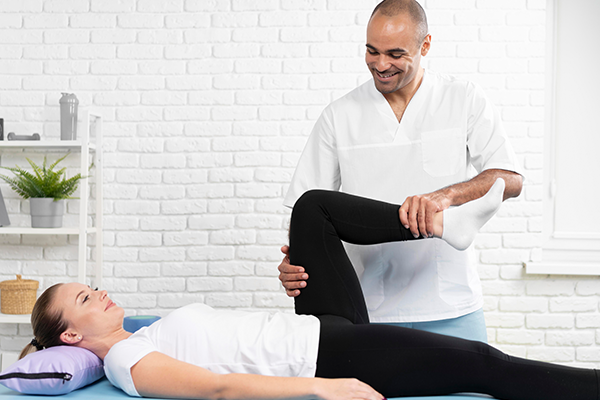
Functional Movement and Why It Matters
Introduction
At Peak Physiotherapy in Galway City, we understand that functional movement is an essential aspect of overall health and well-being. This concept refers to how effectively your body can perform everyday activities, whether it’s walking, running, or simply standing. Proper functional movement is crucial in preventing injuries and managing various foot conditions, such as plantar fasciitis and bunions. In this post, we’ll explore why functional movement matters, the common causes of dysfunction, and how you can improve your movement patterns for better health.
What is Functional Movement?
Functional movement comprises a series of movements that engage the muscles, joints, and nervous system to perform daily tasks efficiently. It includes actions like bending, lifting, pushing, pulling, and squatting, which help maintain balance and strength. When our bodies move correctly, we can reduce the risk of injuries and improve our overall physical performance.
Why Does Functional Movement Matter?
- Injury Prevention: Proper functional movement helps prevent injuries by promoting balanced muscle function and joint stability.
- Enhanced Performance: Athletes and active individuals can benefit from improved functional movement, leading to better performance in sports and daily tasks.
- Rehabilitation: Individuals recovering from foot injuries or surgeries can use functional movement training to restore strength and mobility effectively.
- Quality of Life: Efficient movement patterns can improve your quality of life by allowing you to engage in daily activities with ease and confidence.
What Causes Dysfunction in Functional Movement?
Several factors can lead to dysfunction in functional movement. Understanding these can help you address issues and seek appropriate treatment. Here are some common causes:
- Muscle Imbalances: Weakness or tightness in certain muscle groups can disrupt proper movement patterns.
- Lack of Flexibility: Insufficient flexibility can limit joint range of motion, contributing to dysfunctional movements.
- Poor Posture: Poor alignment can impair movement efficiency and increase the risk of injury.
- Previous Injuries: Past injuries can lead to compensatory movement patterns that affect how you move today.
- Foot Conditions: Conditions such as flat feet or high arches can significantly impact functional movement.
How Can Functional Movement Be Improved?
Improving your functional movement requires a multifaceted approach that may include the following:
- Strength Training: Engaging in targeted strength exercises can address muscle imbalances, increasing overall strength.
- Flexibility Training: Incorporating stretches into your routine can enhance flexibility and joint range of motion.
- Posture Correction: Practicing good posture can significantly reduce unnecessary strain on your body.
- Footwear Assessment: Choosing appropriate footwear is crucial in supporting healthy foot mechanics.
- Professional Guidance: Consulting a podiatrist or physiotherapist can provide you with tailored advice and treatment plans.
What Foot Conditions Are Related to Functional Movement?
Several common foot conditions can adversely affect functional movement, including:
- Plantar Fasciitis: Inflammation of the plantar fascia can cause heel pain, affecting your gait.
- Bunions: This bony bump can alter foot mechanics and lead to discomfort during movement.
- Flat Feet: Lack of arches can disrupt the body’s alignment, leading to other musculoskeletal issues.
- Achilles Tendinopathy: This condition affects the Achilles tendon, leading to pain and limited mobility.
Can Functional Movement Training Help With Recovery?
Yes! Functional movement training can significantly assist in recovery from various injuries. By focusing on the specific movement patterns required for daily activities, individuals can gradually regain strength and flexibility in a controlled manner. Rehabilitative exercises can help restore joint stability and muscle balance, ultimately aiding in a quicker and more effective recovery.
Frequently Asked Questions (FAQ)
- What are the signs of poor functional movement? Symptoms can include recurring pain, limited range of motion, and difficulty performing everyday tasks.
- How can I tell if my shoes are affecting my movement? Discomfort, pain, or changes in your walking pattern may signal that your footwear is inadequate.
- How often should I perform functional movement exercises? Ideally, you should incorporate these exercises into your routine at least 2-3 times per week.
- Can functional movement help prevent running injuries? Absolutely! Improved movement patterns can help alleviate the stress put on your body while running.
- When should I see a podiatrist about my functional movement? If you experience persistent pain, discomfort, or difficulty with movement, it’s advisable to seek a professional assessment.
Conclusion
In summary, understanding and improving functional movement is crucial for everyone, especially those who are active or recovering from injuries. At Peak Physiotherapy in Galway City, we are here to help you assess your functional movement patterns and create personalized treatment plans that align with your health goals. Don’t wait to take charge of your foot health and overall well-being. Book an appointment with us today!