
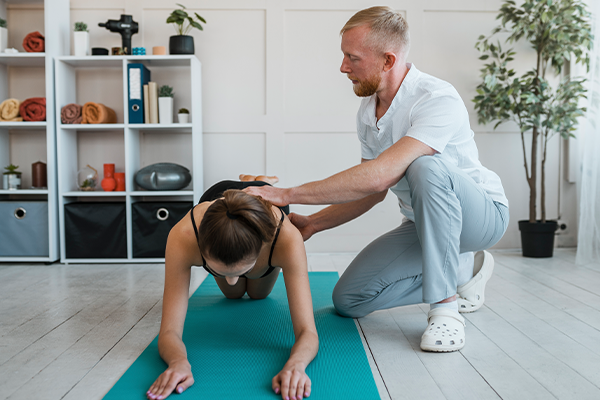
Galway Office Workers: Avoiding Repetitive Strain With Physio
Introduction
In the bustling environment of Galway City, many office workers find themselves facing the consequences of prolonged sitting and repetitive movements. These conditions can lead to repetitive strain injuries (RSIs), particularly affecting the feet and lower extremities. At Peak Physiotherapy, we understand the importance of maintaining foot health amidst the demands of modern work life.
What Causes Repetitive Strain Injuries in Office Workers?
Repetitive strain injuries are often caused by repetitive motions, awkward postures, and prolonged periods of inactivity. Common factors contributing to these injuries among office workers include:
- Prolonged Sitting: Sitting for extended periods can lead to poor circulation and reduced muscle strength in the lower limbs.
- Poor Footwear: Wearing inappropriate shoes can exacerbate foot conditions, impacting posture and leading to strain.
- Ergonomics of Workstation: An improperly set up workstation can strain the musculoskeletal system, particularly the feet and ankles.
Common Foot Conditions Associated with RSIs
Office workers may develop various foot conditions that lead to discomfort and pain. Some of the most common include:
- Plantar Fasciitis: Inflammation of the plantar fascia, a thick band of tissue that runs across the bottom of the foot, causing heel pain.
- Achilles Tendinitis: Overuse of the Achilles tendon, leading to pain at the back of the heel.
- Metatarsalgia: Pain and inflammation in the ball of the foot, often aggravated by poor footwear choices.
- Neuromas: Thickening of nerve tissue, commonly occurring between the toes, leading to sharp pain and discomfort.
How to Prevent Repetitive Strain Injuries
Preventing RSIs involves a combination of ergonomic adjustments, proper footwear, and regular physical activity. Here are practical strategies to help:
- Improve Your Ergonomics: Ensure your workstation is set up to promote good posture. Your chair should support your back, and your feet should rest flat on the floor or on a footrest.
- Select Proper Footwear: Choose shoes that provide adequate arch support and cushioning. Avoid high heels and flip-flops during work hours.
- Incorporate Movement: Take short breaks to stand up, stretch, and move around every hour. This helps improve circulation and reduces stiffness.
- Regular Exercise: Engage in regular physical activity to strengthen foot and ankle muscles. Stretching exercises, like calf stretches, can enhance flexibility.
How Can I Treat Repetitive Strain Injuries?
If you experience symptoms of a repetitive strain injury, it is essential to address the issue promptly. Treatment options include:
- Physical Therapy: A qualified physiotherapist can provide personalized exercise programs to strengthen muscles and improve flexibility.
- Manual Therapy: Techniques such as massage or joint mobilization can alleviate pain and improve function.
- Orthotic Devices: Custom orthotics can provide support and help redistribute pressure on the feet.
- Rest and Ice: Allowing the affected area to rest and applying ice can reduce inflammation and relieve pain.
When Should I See a Physiotherapist?
If you notice persistent or worsening pain in your feet, it is advisable to seek professional help. Early intervention can prevent further damage and facilitate quicker recovery. At Peak Physiotherapy in Galway City, our experienced physiotherapists specialize in treating foot conditions and can create a tailored treatment plan for your needs.
FAQ
1. What are the signs of a repetitive strain injury?
Common signs include pain, swelling, tenderness, and restricted movement in the affected area. Sharp or radiating pain during certain activities is also a notable indicator.
2. Can I continue to work with an RSI?
It depends on the severity of your symptoms. It may be necessary to adjust your work activities or take breaks. Consulting with a physiotherapist is beneficial for guidance.
3. How long does it take to recover from an RSI?
Recovery time varies depending on the severity of the injury and the effectiveness of the treatment plan. It can range from a few weeks to several months.
4. Are there specific exercises recommended for foot strain?
Yes, exercises such as calf raises, toe stretches, and foot rolls can help strengthen the muscles and improve flexibility. Your physiotherapist can provide specific recommendations tailored to your condition.
5. How can I improve my workstation ergonomics?
Ensure your chair supports your back, position your screen at eye level, and use a footrest if necessary. Keep your knees at a right angle and feet flat on the floor.
Conclusion
As a dedicated podiatry and physiotherapy clinic in Galway City, Peak Physiotherapy is here to help office workers navigate the challenges of repetitive strain injuries. By incorporating preventative measures and seeking professional guidance early on, you can maintain foot health and overall well-being. If you're experiencing discomfort or simply want to assess your current foot health, we invite you to book an appointment with us today.