
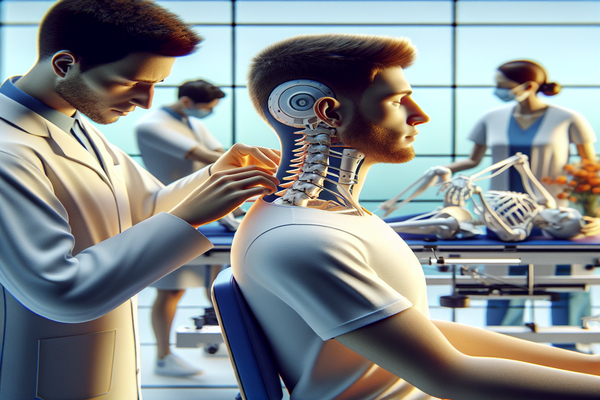
Headaches From Your Neck? Why Cervical Mobility Matters
Introduction
At Peak Physiotherapy in Galway City, we understand the intricate link between cervical mobility and various health conditions. While neck pain is often recognized as a common issue, many patients may not realize it can also lead to headaches. This article aims to shed light on why cervical mobility matters and how it relates to headaches, empowering you with knowledge for optimal health.
What Causes Headaches From Cervical Mobility Issues?
Headaches associated with cervical mobility often arise from tension or dysfunction in the neck region. This can be due to:
- Poor Posture: Prolonged forward head posture can strain the neck muscles, leading to tension-type headaches.
- Cervical Disc Degeneration: Degenerative conditions may compress nearby nerves, resulting in both neck pain and headaches.
- Muscle Tension: Tightness in the trapezius and other cervical muscles can contribute to the onset of headaches.
- Joint Dysfunction: Restricted movement in the cervical joints may lead to painful compensations, manifesting as headaches.
How Do Cervical Mobility Issues Affect Your Head?
Cervical mobility is critical for a variety of physical functions, including:
- Blood Flow: Proper cervical movement ensures unrestricted blood flow to the brain. Limitations may reduce oxygen supply, resulting in headache pain.
- Nerve Function: The cervical spine houses essential nerves that influence head and facial function. Dysfunction can lead to neural irritation and headaches.
- Muscle Coordination: A well-functioning cervical region supports overall posture, which can mitigate headache triggers related to muscle strain.
How Can I Treat Headaches Related to Neck Issues?
At Peak Physiotherapy, we offer various evidence-based treatments for addressing headaches caused by cervical mobility issues:
- Physical Therapy: Tailored exercises focus on improving neck mobility and strengthening the surrounding muscles.
- Manual Therapy: Techniques like spinal manipulation can restore cervical movement and alleviate pain.
- Postural Education: Learning how to maintain proper posture during daily activities can significantly reduce tension and discomfort.
- Ergonomic Adjustments: Advice on your workspace can help prevent future cervical strain and the headaches that accompany it.
What Exercises Promote Cervical Mobility?
Incorporating specific exercises into your routine can enhance cervical mobility and alleviate headache symptoms:
- Neck Rotations: Gentle rotations help improve range of motion. Start slowly and increase as tolerated.
- Chin Tucks: This exercise stabilizes the cervical spine by drawing the chin in toward your neck and maintaining a neutral head position.
- Shoulder Shrugs: This reduces tension in the upper trapezius and is beneficial for cascading muscle tension.
Always consult a healthcare professional before starting any new exercise regime, particularly if you are experiencing significant pain.
How Can I Reduce the Risk of Cervical-Related Headaches?
Preventing headaches related to cervical mobility involves a proactive approach, including:
- Regular Stretching: Incorporate stretches targeting the neck and upper back into your daily routine.
- Ergonomic Practices: Adjust your workstation height and screen level to maintain good posture.
- Hydration: Staying hydrated supports muscle function and reduces the risk of cramps and tension.
FAQs About Cervical Mobility and Headaches
- Can tight neck muscles really cause headaches? Yes, tension in the neck muscles can lead to tension headaches due to referred pain.
- What symptoms indicate I need a professional evaluation for cervical mobility issues? Persistent headaches, neck pain, and limited movement are signs to consult a healthcare professional.
- Are there specific treatments for headaches caused by cervical issues? Yes, treatments may include physical therapy, manual therapy, and lifestyle modifications.
- How long does it take to see improvements? Improvement timelines vary, but many patients experience relief within a few sessions with appropriate treatment.
- Is cervical mobility related to lower body conditions, such as foot pain? Yes, lower body conditions can stem from poor posture linked to cervical problems, impacting overall biomechanics.
Conclusion
Understanding the relationship between cervical mobility and headache pain is crucial for your overall well-being. At Peak Physiotherapy in Galway City, we are committed to providing personalized care to help you overcome these issues. If you are struggling with headaches and suspect they may be related to your neck, we encourage you to book an appointment today. Our dedicated team is here to support your journey to improved health.