Injury Comebacks in Galway City: Safe Return-to-Sport Tips
Introduction
Injury comebacks can be challenging, especially for active individuals in Galway City. At Peak Physiotherapy, we understand the importance of safely returning to sport after an injury. Whether you are dealing with a sprain, strain, or a more severe foot condition like plantar fasciitis or Achilles tendonitis, we aim to provide you with evidence-based strategies to ensure a successful recovery. This article will guide you through the safe return-to-sport tips to help you regain your confidence and performance.
What Causes Sports Injuries?
Sports injuries can be caused by various factors, including:
- Overuse: Repetitive stress on muscles and joints can lead to conditions such as tendinitis.
- Improper Technique: Poor form while exercising can increase the risk of injury.
- Lack of Conditioning: An insufficient warm-up or cool-down can result in muscle strains or tears.
- Inadequate Footwear: Wearing shoes that do not provide adequate support can exacerbate existing conditions.
How Can I Treat My Injury?
Proper treatment of sports injuries is essential for a safe return to activity. Here are some common treatment options:
- Rest: Allowing time for the injured area to heal is paramount.
- Ice Therapy: Applying ice can help reduce swelling and relieve pain.
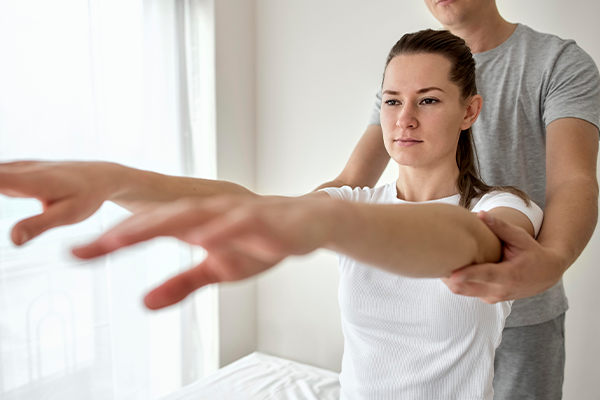
- Physical Therapy: Engaging in rehabilitative exercises can strengthen the injured area and improve flexibility.
- Orthotics: Custom foot orthotics can provide support and alleviate pressure on affected areas.
When Is It Safe to Return to Sport?
Returning to sport too soon can lead to re-injury. Here’s how to determine when you’re ready:
- Full Range of Motion: Ensure that you have recovered full mobility in your foot or ankle.
- Pain-free Movement: You should be able to perform your sport-specific movements without pain.
- Strength Assessment: Basic strength tests should demonstrate that you can bear weight and perform necessary movements.
- Consultation with a Professional: Always seek a professional assessment from a physiotherapist or podiatrist at Peak Physiotherapy in Galway City before returning to play.
What Are the Best Practices for Safely Returning to Sport?
Here are some best practices to help ensure a safe transition back to sport:
- Start Slow: Gradually increase the intensity and duration of your workouts.
- Listen to Your Body: Pay attention to any signs of discomfort or pain, and adjust your activities accordingly.
- Cross-Train: Engage in low-impact activities, such as swimming or cycling, to maintain fitness without putting undue strain on your injury.
- Maintain a Strong Core: Strengthening your core muscles can stabilize your overall movement pattern and reduce the risk of re-injury.
- Set Realistic Goals: Understand that rushing the recovery process can lead to setbacks.
What Rehabilitation Exercises Should I Focus On?
Incorporating targeted rehabilitation exercises can enhance recovery:
- Range of Motion Exercises: Gentle stretches can improve flexibility.
- Strength Training: Focus on building strength in the lower extremities, including calf raises and resistance band exercises.
- Balance Training: Activities like single-leg stands can improve stability and coordination.
- Sport-Specific Drills: Once cleared, you can begin practicing drills specific to your sport to regain confidence.
Frequently Asked Questions (FAQ)
1. How long should I rest before returning to my sport?
The rest period depends on the severity of the injury. Minor injuries may require only a few days, while more severe injuries could take weeks or even months. It’s best to consult with a healthcare professional from Peak Physiotherapy.
2. Can I play through pain?
No, playing through pain can worsen the injury and prolong recovery. It’s essential to listen to your body and seek treatment.
3. What should I do if I feel pain during my rehabilitation?
If you experience pain during rehabilitation, stop the activity immediately and consult a physiotherapist for guidance.
4. How can I prevent future injuries?
Preventive measures include proper warm-ups, wearing suitable footwear, and gradually increasing intensity in your training regime.
5. When should I see a podiatrist or physiotherapist?
Seek professional help if you experience persistent pain, swelling, or if you are unsure about the rehabilitation exercises suitable for your injury.
Conclusion
Returning to sport after an injury in Galway City requires careful planning and adherence to evidence-based practices. At Peak Physiotherapy, our team is dedicated to helping you navigate your recovery with expert guidance and support. If you are ready to make a safe comeback, we encourage you to book an appointment with us today for a personalized assessment and rehabilitation plan. Book your appointment now.