
Joint Instability and Risk of Falls: Advice From Galway Physios
Understanding Joint Instability and Its Impact on Fall Risk
At Peak Physiotherapy in Galway City, we recognize the critical connection between joint instability and the risk of falls. This issue is particularly relevant for older adults, individuals with musculoskeletal conditions, and those recovering from injuries. Understanding joint instability can help provide insights into preventive strategies and effective treatments.
What Causes Joint Instability?
Joint instability occurs when the structures surrounding a joint—such as ligaments, tendons, and muscles—fail to provide adequate support. The causes of joint instability can vary significantly and may include:
- Injury: Trauma to ligaments from sports, falls, or accidents can lead to weakened joint support.
- Arthritis: Conditions like osteoarthritis and rheumatoid arthritis can degrade joint structure and function.
- Neuromuscular conditions: Disorders such as multiple sclerosis may affect muscle control, leading to instability.
- Joint hypermobility: Individuals with hypermobile joints may experience recurrent dislocations or subluxations.
What Are the Symptoms of Joint Instability?
Common symptoms of joint instability can include:
- Difficulty bearing weight on the affected joint
- Frequent joint dislocation or subluxation
- Swelling and pain in the joint area
- A feeling of the joint "giving way"
How Does Joint Instability Increase the Risk of Falls?
Joint instability can significantly increase the risk of falls, particularly in older adults. When a joint lacks stability, individuals may experience:
- Decreased proprioception: The body’s ability to sense joint position is impaired, making it harder to maintain balance.
- Muscle weakness: Affected muscles may not perform adequately to support the joint, increasing fall risk.
- Uneven gait: Instability can lead to altered walking patterns, contributing further to the risk of tripping or falling.
How Can I Treat Joint Instability?
Proper management of joint instability is essential for reducing fall risk. Here are some effective treatment strategies available at Peak Physiotherapy:
- Physical Therapy: Customized exercises can strengthen the muscles around the joint, improve stability, and enhance coordination.
- Bracing: Supportive bracing can help stabilize the joint during physical activities or daily tasks.
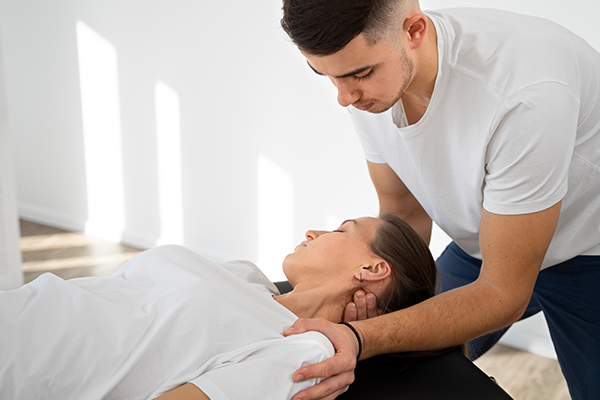
- Manual Therapy: Hands-on techniques can address joint dysfunction and improve mobility.
- Education: Learning proper movement strategies and fall-prevention techniques can significantly reduce fall risk.
What Should I Do If I Experience Symptoms of Joint Instability?
If you encounter symptoms consistent with joint instability, consider taking the following steps:
- Consult a healthcare professional: Seek a thorough assessment from a physiotherapist or doctor specializing in musculoskeletal health.
- Follow prescribed treatment plans: Adhere to tailored exercise regimens and recommendations for bracing or support.
- Stay active: Engage in safe, low-impact physical activities to maintain joint mobility and muscle strength.
FAQs About Joint Instability and Fall Risk
1. How can physical therapy help with joint instability?
Physical therapy focuses on strengthening muscles, improving balance, and enhancing joint stability, which reduces the risk of falls.
2. Is joint instability only a concern for older adults?
No, joint instability can affect individuals of all ages, particularly those with sports injuries, joint diseases, or congenital conditions.
3. Can joint instability be prevented?
While not all causes of joint instability are preventable, engaging in regular strength and balance exercises can help mitigate risks.
4. What types of exercises are beneficial for joint stability?
Exercises targeting core strength, proprioception, and flexibility, such as balance training and resistance exercises, are beneficial.
5. When should I see a physiotherapist about joint instability?
If you experience symptoms like pain, weakness, or recurrent joint dislocation, it’s important to seek professional evaluation and treatment.
Conclusion
Understanding joint instability and its implications for fall risk is essential for maintaining balance and overall health. At Peak Physiotherapy in Galway City, our physiotherapists are dedicated to providing personalized care aimed at stabilizing joints and enhancing mobility. If you suspect you are experiencing joint instability, or if you are looking for strategies to prevent falls, we encourage you to take proactive steps to protect your health.
Ready to take control of your joint health? Book an appointment with us today and start your journey towards improved joint stability and a safer, healthier future.