
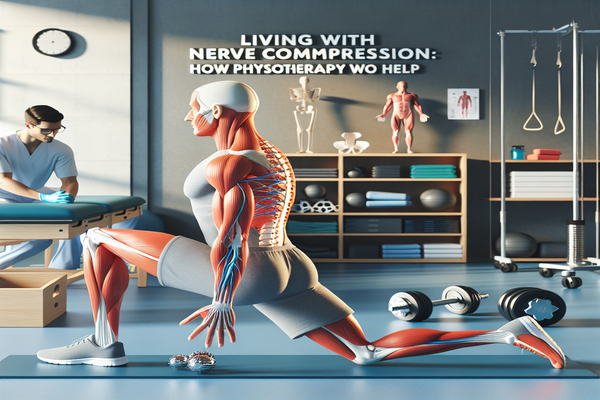
Living With Nerve Compression: How Physiotherapy Can Help
Understanding Nerve Compression
Nerve compression occurs when surrounding tissues place excessive pressure on a nerve, leading to pain, numbness, or tingling sensations. In the feet, common conditions associated with nerve compression include tarsal tunnel syndrome, Morton’s neuroma, and peripheral neuropathy. Living with nerve compression can be uncomfortable, but effective treatments are available. At Peak Physiotherapy in Galway City, we specialize in helping patients manage and alleviate these symptoms through tailored physiotherapy.
What Causes Nerve Compression in the Feet?
Nerve compression can stem from various factors, including:
- Injury: Trauma to the foot can lead to swelling or changes in posture that compress nearby nerves.
- Foot Deformities: Conditions such as flat feet or high arches can alter foot mechanics, putting pressure on nerves.
- Repetitive Stress: Activities that involve repetitive motions, such as running or jumping, can exacerbate nerve issues.
- Medical Conditions: Diabetes and arthritis may contribute to neuropathy and nerve compression.
Signs and Symptoms of Nerve Compression
If you're experiencing nerve compression, you may notice:
- Pain: A sharp or burning sensation, often more pronounced when moving.
- Numbness: A tingling sensation that may feel like "pins and needles."
- Weakness: Difficulty in moving your toes or foot may indicate more severe compression.
How Can Physiotherapy Help with Nerve Compression?
Physiotherapy is a fundamental approach to managing nerve compression. Here’s how our team at Peak Physiotherapy can assist you:
1. Comprehensive Assessment
We begin with a detailed examination of your foot mechanics, posture, and strength. This assessment helps us identify the source of your nerve compression.
2. Tailored Treatment Plans
Once we identify the underlying cause, we develop a personalized treatment plan that may include:
- Manual Therapy: Techniques to relieve pressure on affected nerves and surrounding structures.
- Stretching and Strengthening Exercises: These are vital for improving flexibility and strengthening the muscles that support your foot and ankle.
- Posture Education: We provide information on avoiding positions or activities that exacerbate your symptoms.
- Neuromuscular Reeducation: Exercises that enhance coordination and the overall function of your feet.
3. Pain Management Strategies
We incorporate various pain management techniques, including modalities like ultrasound therapy and electrical stimulation, to promote tissue healing and reduce discomfort.
4. Ongoing Support and Monitoring
Your recovery process involves regular check-ins to monitor progress and adjust your treatment plan as necessary. We focus on empowering you with knowledge and self-management strategies.
Can Lifestyle Changes Help Manage Nerve Compression?
Yes! Certain lifestyle and activity modifications can significantly aid in managing nerve compression:
- Footwear: Invest in supportive shoes that fit well and provide adequate cushioning.
- Weight Management: Maintaining a healthy weight can alleviate unnecessary pressure on your feet.
- Stretching: Incorporating regular stretching into your routine can help prevent stiffness and promote nerve health.
FAQs About Nerve Compression and Physiotherapy
1. What is the duration of physiotherapy for nerve compression?
The duration varies based on individual needs, but most patients see improvement within a few weeks of consistent treatment.
2. Are there any risks associated with physiotherapy for nerve compression?
Physiotherapy is generally safe. Our trained physiotherapists will ensure that your treatment plan is suitable for your specific condition.
3. How often should I attend physiotherapy sessions?
Typically, sessions may be scheduled once or twice a week, depending on your condition and response to treatment.
4. Will physiotherapy eliminate my nerve compression symptoms entirely?
While our goal is to alleviate your symptoms, the extent of relief may vary based on the severity and underlying cause of your condition.
5. When should I seek physiotherapy for nerve compression?
If you experience persistent numbness, tingling, or pain in your feet, it’s advisable to consult a physiotherapist early for evaluation and treatment.
Conclusion
Living with nerve compression can significantly impact your quality of life, but effective treatment through physiotherapy can help. At Peak Physiotherapy in Galway City, our experienced team is dedicated to assisting you in managing your symptoms and reclaiming your mobility. Don’t let nerve compression dictate how you live your life. Book your appointment today and take the first step towards a pain-free future!