
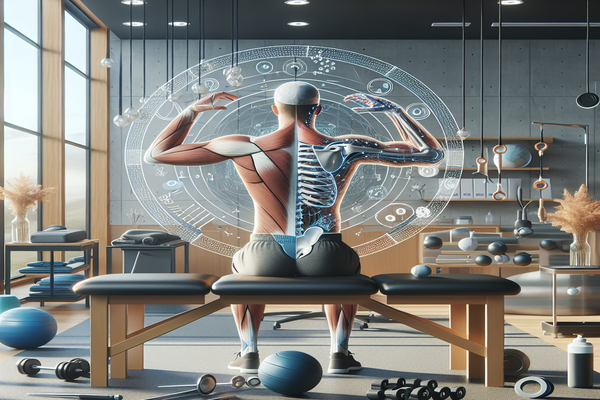
Managing Repetitive Strain Injuries in Galway City With Physiotherapy
Understanding Repetitive Strain Injuries
Repetitive strain injuries (RSIs) are common among individuals engaged in repetitive activities, such as sports, certain professions, or daily tasks. These injuries often affect the muscles, tendons, and nerves in various parts of the body, including the feet and lower limbs. At Peak Physiotherapy in Galway City, we understand the impact of RSIs on your daily life and are here to provide effective management strategies.
What Causes Repetitive Strain Injuries?
RSIs can develop due to a combination of factors, including:
- Overuse: Engaging in repetitive motions without adequate rest increases stress on muscles and tendons.
- Biomechanical Imbalances: Poor foot mechanics, such as flat feet or high arches, can lead to uneven distribution of force.
- Improper Footwear: Wearing shoes that do not provide proper support or fit can exacerbate problems.
- Poor Posture: Incorrect body mechanics during activities can place undue strain on the lower extremities.
What Are Common Foot Conditions Related to RSIs?
Several foot conditions often arise as a consequence of repetitive strain, including:
- Plantar Fasciitis: Inflammation of the plantar fascia leading to heel pain, commonly exacerbated by repetitive stress.
- Achilles Tendinitis: Inflammation of the Achilles tendon, usually resulting from excessive strain during running or jumping.
- Metatarsalgia: Pain and inflammation in the metatarsal region, often due to improper footwear or high-impact activities.
- Shin Splints: Pain along the shin bone due to stress reactions in the bone or surrounding muscles.
How Can Physiotherapy Help Manage Repetitive Strain Injuries?
Physiotherapy is an effective treatment approach for managing RSIs. Here’s how our team at Peak Physiotherapy can assist you:
- Assessment: Our physiotherapists conduct a thorough assessment of your condition to determine the specific causes and contributing factors of your injury.
- Tailored Treatment Plans: We create individualized treatment plans focusing on pain relief and functional restoration.
- Manual Therapy: Techniques such as massage and mobilization can alleviate pain, improve blood flow, and enhance mobility.
- Exercise Rehabilitation: Specific exercises are prescribed to strengthen weak muscles, stretch tight tissues, and improve overall foot mechanics.
- Education: We provide guidance on proper footwear, posture, and activity modifications to prevent recurrence of injuries.
What Self-Care Tips Can Help with Recovery?
In addition to professional physiotherapy, several self-care strategies can aid in recovery and management:
- Rest: Allow adequate time for healing by taking breaks from repetitive activities.
- Ice Therapy: Applying ice to the affected area can reduce inflammation and relieve pain.
- Compression: Using compression socks can help manage swelling and provide support.
- Elevation: Elevating the affected foot can also assist in reducing swelling.
How Long Does It Take to Recover from a Repetitive Strain Injury?
The recovery time for RSIs varies depending on several factors, including the severity of the injury, adherence to treatment, and individual health status. Generally, a well-managed RSI can improve within a few weeks to a few months with appropriate intervention and lifestyle adjustments.
Should You Consult a Physiotherapist?
If you're experiencing pain or discomfort that affects your daily activities, consulting a physiotherapist at Peak Physiotherapy in Galway City can provide significant benefits. Early intervention is key to preventing further damage and ensuring a smoother recovery process.
Frequently Asked Questions (FAQ)
1. What are the symptoms of a repetitive strain injury?
Common symptoms include pain, tenderness, swelling, stiffness, and a decrease in range of motion in the affected area.
2. Can I treat repetitive strain injuries at home?
While self-care methods can relieve mild symptoms, professional treatment is often necessary for full recovery and to address underlying causes.
3. What kind of exercises can help with RSIs?
Therapeutic exercises focusing on strength, flexibility, and balance can be prescribed by your physiotherapist based on your specific condition.
4. Is surgery necessary for RSI treatment?
Surgery is rarely needed for RSIs; most cases respond well to conservative management through physiotherapy and lifestyle changes.
5. How can I prevent repetitive strain injuries in the future?
Utilizing proper footwear, using ergonomic tools, taking regular breaks during repetitive tasks, and maintaining good posture can help prevent RSIs.
Conclusion
Managing repetitive strain injuries in Galway City is achievable with the right approach. At Peak Physiotherapy, we are dedicated to helping patients recover from these injuries and regain their active lifestyles. If you're struggling with pain or discomfort, don't hesitate to reach out. Book your appointment today and take the first step towards recovery!