
Movement Assessments in Galway City: Why They Matter
Movement Assessments in Galway City: Why They Matter
At Peak Physiotherapy in Galway City, we understand that the way you move can significantly impact your overall health and quality of life. Movement assessments are an essential part of our services, allowing us to evaluate how effectively and efficiently your body functions during various activities. In this article, we’ll explore what movement assessments entail, their benefits, and why they matter for your foot health and overall wellbeing.
What is a Movement Assessment?
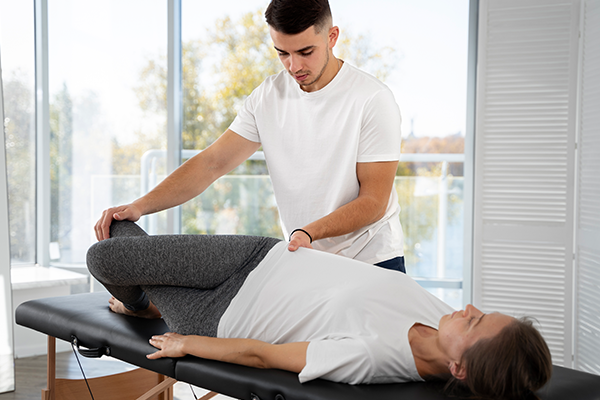
A movement assessment involves a comprehensive evaluation of your body’s biomechanics—essentially, how your joints and muscles work together as you move. This assessment analyzes your posture, balance, range of motion, and muscle strength. At Peak Physiotherapy, our trained professionals employ various techniques, including video analysis and specialized tools, to provide a detailed understanding of your movement patterns.
Why are Movement Assessments Important?
Understanding the necessity of movement assessments is crucial for preventing both acute and chronic injuries. Here are several reasons why they matter:
- Injury Prevention: By identifying dysfunctional movement patterns, we can pinpoint risk factors for injuries like plantar fasciitis, Achilles tendinitis, or ankle sprains.
- Diagnosis of Conditions: Many foot and lower limb conditions can stem from poor movement mechanics. Proper assessment helps in accurately diagnosing these issues.
- Customized Treatment Plans: With a detailed analysis, we can design tailored treatment plans that cater specifically to your needs, ensuring more effective rehabilitation.
- Improved Performance: Whether you are a competitive athlete or an active individual, optimizing your movement can enhance performance and efficiency.
- Long-Term Health Monitoring: Regular assessments can help to monitor progress and adapt treatment plans as needed, fostering a proactive approach to health.
What Causes Poor Movement Patterns?
Poor movement patterns can result from a variety of factors, including:
- Inflexibility: Tight muscles and joints can hinder the natural range of motion.
- Weakness: Insufficient strength in key muscle groups can affect balance and coordination.
- Previous Injuries: Past injuries can lead to compensatory movement patterns that may cause further issues.
- Poor Footwear: Shoes lacking proper support can exacerbate biomechanical imbalance, leading to foot problems.
- Inadequate Warm-up/Cool Down: Neglecting proper preparation for physical activities can make your body more susceptible to injury.
How Can I Treat Poor Movement Patterns?
Treatment of poor movement patterns often requires a multifaceted approach. Here’s how we can assist at Peak Physiotherapy:
- Personalised Exercise Regimens: We design targeted exercises to strengthen weak muscles and improve flexibility.
- Manual Therapy: Techniques such as massage or mobilization can alleviate tension and pain, enhancing mobility.
- Education: Understanding your condition and how to manage it is vital. We provide insights into proper ergonomics and activity modifications.
- Footwear Recommendations: Guidance on selecting appropriate footwear can significantly impact your movement efficiency.
- Regular Re-assessments: Continuous evaluation allows us to adjust treatment plans as necessary, promoting lasting improvements.
How Does a Movement Assessment Work?
A movement assessment typically involves several steps:
- Initial Consultation: Discuss your medical history, lifestyle, and any specific concerns or symptoms.
- Visual Assessment: Observe your posture and movement during various activities.
- Functional Tests: Perform specific tasks to evaluate joint and muscle performance.
- Analysis: Utilize technology as needed to gain insights into biomechanics.
- Report and Plan: Receive a comprehensive report detailing findings, along with a suggested treatment plan.
FAQ: Movement Assessments in Galway City
1. What conditions can be treated through movement assessments?
Conditions such as plantar fasciitis, Achilles tendinitis, and general foot pain can be effectively addressed through movement assessments.
2. How long does a typical movement assessment take?
A standard assessment usually lasts between 45 minutes to an hour, depending on individual needs.
3. Are movement assessments painful?
Movement assessments are non-invasive and should not cause pain. However, you may experience some discomfort during specific functional tests if you have an existing condition.
4. How often should I have a movement assessment?
We recommend annual assessments for most individuals, while athletes or those recovering from injuries may benefit from more frequent evaluations.
5. Can movement assessments help with balance issues?
Yes, assessing movement can identify balance deficits and help create a plan to improve stability and prevent falls.
Conclusion
Movement assessments are vital for anyone seeking to enhance their physical health and prevent foot-related problems. At Peak Physiotherapy in Galway City, we are committed to providing you with the highest level of care and expertise. Understanding your body’s mechanics can significantly improve your quality of life. Don’t wait until pain becomes a problem; take proactive steps towards better health today!