Muscle Tightness: When Stretching Isn’t Enough
Understanding Muscle Tightness: When Stretching Isn’t Enough
Welcome to Peak Physiotherapy in Galway City, where we understand that muscle tightness can be a frustrating experience. While stretching is often suggested as the go-to solution, it may not always provide the relief that you need. In this article, we will delve into muscle tightness, exploring its causes, symptoms, and effective treatment methods beyond stretching.
What Causes Muscle Tightness?
Muscle tightness can occur for several reasons, including but not limited to:
- Overuse or Injury: Repetitive activities or improper biomechanics can lead to muscle fatigue and overuse injuries, resulting in tightness.
- Poor Posture: Sitting or standing for extended periods with incorrect posture can strain muscles, especially in the lower back, hips, and legs.
- Dehydration and Nutrition Deficiencies: Inadequate hydration and lack of essential nutrients such as potassium and magnesium can impact muscle function.
- Stress: Emotional stress can induce muscle tension, particularly in the neck, shoulders, and feet.
What Are the Symptoms of Muscle Tightness?
Common symptoms of muscle tightness include:
- Stiffness or reduced range of motion in the affected muscle
- Discomfort or pain during movement or at rest
- Cramping or muscle spasms
- Tenderness to the touch
In cases of severe tightness, you might experience referred pain in areas distant from the source of tension, such as the lower back, hips, or knees.
How Can I Treat Muscle Tightness?
While stretching is beneficial, additional strategies may be necessary to address muscle tightness effectively:
1. Physiotherapy
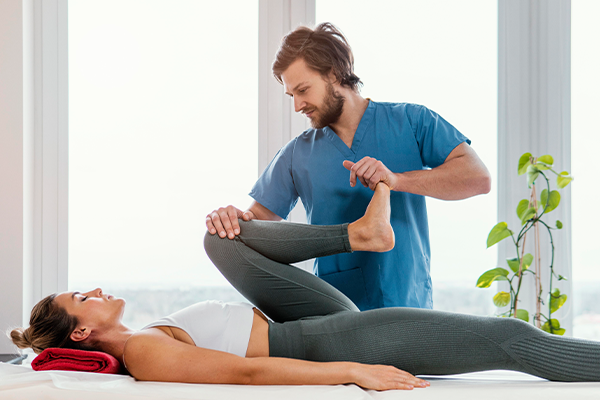
Visiting a physiotherapist can be incredibly beneficial. At Peak Physiotherapy, our experts assess your condition and develop an individualized treatment plan that may include:
- Manual Therapy: Hands-on techniques to alleviate tightness.
- Dry Needling: Involves inserting thin needles into tight muscles to relieve tension.
- Therapeutic Exercise: Tailored exercises to strengthen weak muscles and increase flexibility.
2. Foam Rolling and Self-Massage
Using a foam roller or massage ball on tight muscle areas can break down muscle knots and improve blood circulation, providing relief.
3. Heat and Cold Therapy
Applying heat can increase blood flow and loosen tight muscles, while cold therapy can reduce inflammation. Alternating between both may yield the best results.
4. Mindfulness and Relaxation Techniques
Engaging in mindfulness practices such as yoga or meditation can help manage stress levels, thereby reducing muscle tension.
When Should I Seek Professional Help?
If muscle tightness persists despite home treatments, it may be time to consult a healthcare professional. Additionally, if you experience:
- Severe pain or swelling
- Symptoms that affect your daily activities
- Any unusual changes in your muscle function
These may be signs of an underlying condition that requires professional evaluation and intervention.
Conclusion
Muscle tightness is a common issue that can often be improved through a combination of stretching, professional physiotherapy, and self-care strategies. At Peak Physiotherapy in Galway City, our goal is to help you manage and overcome muscle tightness effectively. If you're struggling with this condition and traditional methods haven’t provided relief, consider scheduling an appointment with our expert team.
Call to Action: Ready to take the next step towards relief? Book your appointment today by visiting our online booking link here.
FAQ
1. Can tight muscles lead to foot pain?
Yes, tightness in muscles of the lower legs and feet can lead to pain and discomfort in the foot, impacting your mobility.
2. How often should I stretch to prevent muscle tightness?
Stretching regularly, ideally 3-5 times a week, can help maintain flexibility and prevent tightness.
3. Is it normal for muscle tightness to return?
Yes, muscle tightness can recur, especially if the underlying causes are not addressed. Regular attention to posture, hydration, and exercise can help mitigate this.
4. What footwear can help with muscle tightness?
Choosing supportive, well-fitted footwear can help reduce muscle tightness by providing the necessary support and alignment for the feet.
5. Will physical therapy hurt?
Physical therapy is designed to alleviate pain and discomfort. While some techniques may cause temporary discomfort, they are generally well-tolerated and aimed at healing.