
How Physiotherapy Helps With Patellar Tendinopathy (Jumper’s Knee)
Introduction to Patellar Tendinopathy
Patellar tendinopathy, commonly known as Jumper’s Knee, is a prevalent condition particularly among athletes who engage in jumping sports such as basketball and volleyball. At Peak Physiotherapy in Galway City, we understand the complexities of this injury and the importance of effective treatment options. Physiotherapy plays a crucial role in managing symptoms and promoting recovery, allowing individuals to return to their passion for sports and physical activity.
What Causes Patellar Tendinopathy?
Patellar tendinopathy is characterized by pain and tenderness around the patellar tendon, which connects the kneecap (patella) to the shinbone (tibia). This condition is often the result of:
- Overuse: Repetitive strain on the knee through activities that involve jumping or running can lead to microscopic tears in the tendon.
- Biomechanical Issues: Abnormal foot mechanics, such as flat feet or overpronation, can increase stress on the knee.
- Inadequate Warm-Up: Skipping warm-up routines or not properly preparing the muscles can predispose an individual to injury.
- Increased Training Intensity: Rapidly increasing the intensity or volume of training can overwhelm the tendon.
How Can I Treat Patellar Tendinopathy?
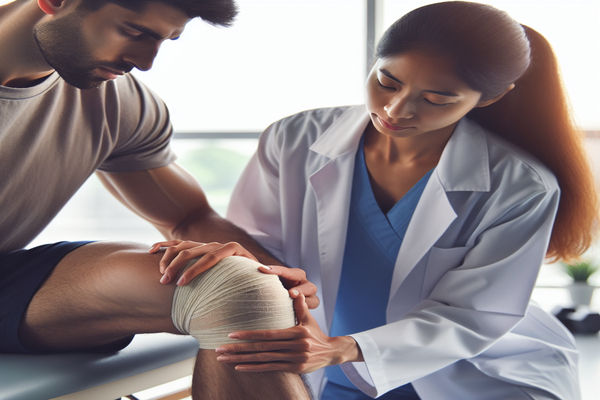
Effective treatment of patellar tendinopathy typically involves a comprehensive physiotherapy program. Here are key components of the treatment process:
1. Initial Assessment
A thorough evaluation by a physiotherapist at Peak Physiotherapy is essential. This assessment will include:
- Medical history review
- Knee stability and range of motion tests
- Assessment of foot biomechanics
2. Pain Management
Following the initial assessment, pain management may be initiated through:
- Cold therapy to reduce swelling
- Electrotherapy modalities, such as ultrasound or TENS (transcutaneous electrical nerve stimulation)
3. Strengthening Exercises
Strengthening the muscles around the knee and improving the function of the patellar tendon is critical. Custom exercise programs may include:
- Quadriceps strengthening exercises (e.g., squats)
- Hamstring and calf muscle strengthening
- Core stability exercises to improve overall biomechanics
4. Stretching and Flexibility
Incorporating stretching routines helps enhance flexibility and reduce stiffness, particularly in the thigh and calf muscles. This can alleviate undue stress on the patellar tendon.
5. Activity Modification
Part of the treatment plan often requires modifying activities to prevent aggravating the injury. This may involve:
- Reducing high-impact activities
- Incorporating low-impact alternatives such as swimming or cycling
6. Gradual Return to Activity
Once symptoms improve, a gradual return to sports is encouraged. The physiotherapist will provide a tailored plan to safely resume training while minimizing the risk of re-injury.
How Long Does Recovery Take?
The recovery time for patellar tendinopathy varies depending on the severity of the injury and adherence to the treatment plan. Generally, with appropriate physiotherapy, many patients experience significant improvements within 6 to 12 weeks. Consistent follow-ups with the physiotherapist are vital to monitor progress and make necessary adjustments to the treatment plan.
FAQ Section
1. What are the symptoms of patellar tendinopathy?
The main symptoms include pain just below the kneecap, tenderness, swelling, and difficulty performing activities that involve bending the knee, especially jumping or running.
2. Can I treat Jumper’s Knee at home?
While home care such as rest, ice application, and over-the-counter pain relief can help, professional physiotherapy is highly recommended for optimal recovery and rehabilitation.
3. When should I see a physiotherapist for my knee pain?
It’s advisable to seek a physiotherapist’s advice if pain persists for more than a few days, worsens during activity, or interferes with daily functions.
4. Will I need surgery for patellar tendinopathy?
Surgery is rarely needed for patellar tendinopathy and is typically considered only in cases where conservative treatment fails over an extended period.
5. How can I prevent Jumper’s Knee in the future?
To prevent re-injury, focus on proper warm-up and cool-down routines, strengthening and stretching exercises, and addressing any biomechanical issues with supportive footwear or custom orthotics.
Conclusion
At Peak Physiotherapy in Galway City, we are dedicated to helping our patients overcome patellar tendinopathy through tailored physiotherapy interventions. Effective treatment not only alleviates pain but also equips you with the tools to prevent future injuries. If you are struggling with the symptoms of Jumper’s Knee, we encourage you to take the first step toward recovery today. Book your appointment now and let us guide you on the path to optimal knee health.