
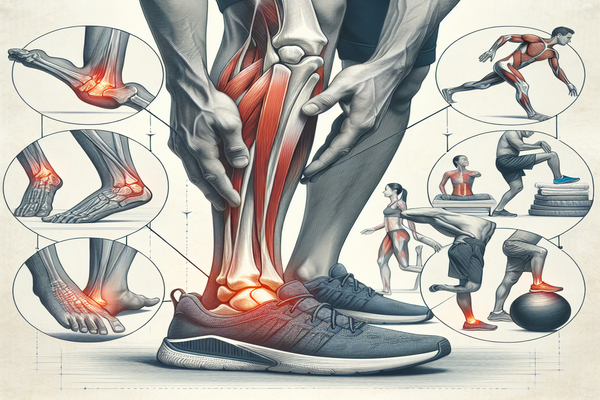
Physiotherapy for Plantar Fasciitis: Walking Without Pain Again
Understanding Plantar Fasciitis
Plantar fasciitis is one of the most common causes of heel pain, affecting approximately 10% of the population at some point in their lives. It occurs due to inflammation of the plantar fascia, a thick band of tissue that runs across the bottom of the foot and connects the heel bone to the toes. The condition can lead to significant discomfort and difficulty in walking, but the good news is that effective treatments are available.
At Peak Physiotherapy in Galway City, we specialize in treating plantar fasciitis through evidence-based physiotherapy approaches tailored to each patient's needs.
What Causes Plantar Fasciitis?
Several factors can contribute to the development of plantar fasciitis, including:
- Overuse: Activities that place excessive strain on the plantar fascia, such as running, or standing for extended periods, can lead to inflammation.
- Foot Structure: Flat feet, high arches, or an abnormal walking pattern can increase the strain on the plantar fascia.
- Weight: Excess weight can add stress to your feet and increase the risk of plantar fasciitis.
- Age: As we age, the plantar fascia loses flexibility and becomes less resilient, making it more prone to injury.
- Improper Footwear: Lack of proper arch support or wearing worn-out shoes can exacerbate foot pain.
How Can I Treat Plantar Fasciitis?
Treating plantar fasciitis involves a multi-faceted approach. Our team at Peak Physiotherapy employs several methods to help you manage your symptoms and promote healing:
1. Physical Therapy
Physical therapy is the cornerstone of treatment for plantar fasciitis. Our physiotherapists will design a personalized rehabilitation program that may include:
- Stretching Exercises: Targeting the calf muscles and plantar fascia to improve flexibility.
- Strengthening Exercises: Focusing on the intrinsic muscles of the foot to provide better arch support.
- Manual Therapy: Hands-on techniques to relieve tension and improve foot mechanics.
2. Orthotics and Footwear Assessment
Custom insoles or orthotics can provide better arch support and help redistribute pressure away from the plantar fascia. We also assess your footwear to recommend shoes that can help alleviate strain on your feet.
3. Ice and Anti-Inflammatory Treatment
Applying ice to the affected area can help reduce inflammation and pain. Non-steroidal anti-inflammatory drugs (NSAIDs) may also be recommended for pain management, but usage should be supervised by a healthcare professional.
4. Ultrasound Therapy
This technique uses sound waves to promote tissue healing and reduce inflammation in the plantar fascia, which may enhance recovery.
5. Corticosteroid Injections
In cases of severe pain that do not respond to conservative treatments, corticosteroid injections may be considered to provide temporary relief.
When Should I See a Podiatrist?
If you experience persistent heel pain, it’s crucial to consult a podiatrist or physiotherapist. Early intervention increases the likelihood of a quicker recovery and prevents potential complications.
Can Plantar Fasciitis Be Prevented?
While not all cases of plantar fasciitis can be prevented, some proactive measures may help reduce the risk:
- Choose Proper Footwear: Invest in supportive shoes that fit well and provide adequate cushioning.
- Maintain a Healthy Weight: Managing your weight can reduce unnecessary strain on your feet.
- Warm-Up Before Activity: Stretching before engaging in high-impact activities can help prepare the plantar fascia and surrounding muscles.
FAQs about Plantar Fasciitis
1. How long does it take to recover from plantar fasciitis?
Recovery varies from person to person, but with appropriate treatment, many patients report significant improvement within 6-12 weeks.
2. Is surgery required for plantar fasciitis?
Surgery is typically considered a last resort after all conservative treatments have been exhausted. Most patients find relief through physical therapy and lifestyle changes.
3. Can I continue to exercise with plantar fasciitis?
Low-impact exercises, such as swimming or cycling, may be beneficial. However, high-impact activities like running should be modified or avoided until the condition improves.
4. What is the best type of footwear for plantar fasciitis?
Look for shoes with arch support, cushioning, and a stiff back to provide stability. Avoid wearing high heels or flat shoes with no support.
5. How can physiotherapy help with plantar fasciitis?
Physiotherapy can provide tailored exercise programs, manual therapy, and education on lifestyle changes to effectively manage and reduce the symptoms of plantar fasciitis.
Conclusion
At Peak Physiotherapy in Galway City, we understand that plantar fasciitis can significantly impact your daily life, making simple activities like walking painful. Our dedicated team is committed to helping you walk without pain again through comprehensive physiotherapy tailored just for you. Don't let foot pain hold you back—take the first step towards recovery today!
Book your appointment now and start your journey to pain-free walking!