
Reducing Work-Related Strain in Galway City
Introduction
Welcome to Peak Physiotherapy, your trusted podiatry clinic located in the heart of Galway City. In today's fast-paced world, many of us find ourselves grappling with work-related strain that can lead to various foot and lower limb issues. Understanding how to reduce this strain is essential for maintaining overall health and well-being. In this article, we will explore common causes of work-related strain, effective prevention strategies, and available treatments to help you stay comfortable and productive.
What Causes Work-Related Strain?
Work-related strain often stems from prolonged periods of standing, walking, or repetitive motions that can affect the feet and lower limbs. Some common causes include:
- Inappropriate Footwear: Shoes lacking proper arch support and cushioning can lead to discomfort and pain.
- Prolonged Standing: Jobs that require extended periods of standing can contribute to conditions like plantar fasciitis and Achilles tendonitis.
- Poor Posture: Sitting or standing with improper posture can create imbalances and lead to musculoskeletal strain.
- Repetitive Motions: Consistent movements, such as typing or lifting, can result in overuse injuries.
How Can I Treat Work-Related Strain?
If you are experiencing symptoms of work-related strain, early intervention is key. Here are some effective treatment options:
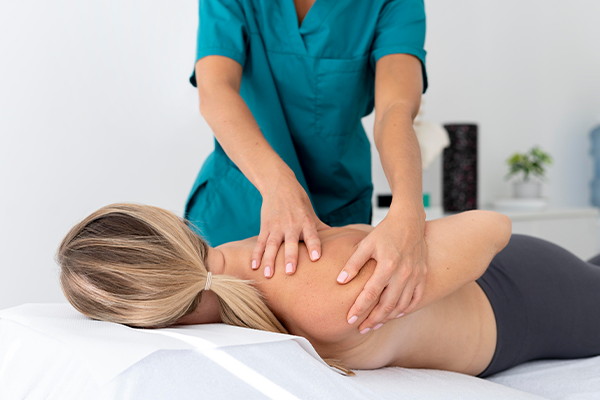
- Physical Therapy: A tailored programme with a qualified physiotherapist may include exercises focused on strengthening and stretching the lower limb muscles.
- Custom Orthotics: These prescription insoles can be designed to provide optimal arch support, alleviate discomfort, and improve foot alignment.
- Rest and Ice Therapy: Taking regular breaks and using ice packs on painful areas can help manage inflammation and pain.
- Footwear Assessment: Consulting with a podiatrist can ensure that you are wearing appropriate footwear for your specific work requirements.
What Are the Common Foot Conditions Linked to Work-Related Strain?
Understanding specific conditions linked to work-related strain can help in addressing and managing symptoms effectively. Common conditions include:
- Plantar Fasciitis: Characterized by heel pain caused by inflammation of the plantar fascia, it is often exacerbated by inadequate footwear or prolonged standing.
- Achilles Tendonitis: Inflammation of the Achilles tendon caused by overuse or strain may lead to pain at the back of the heel.
- Metatarsalgia: This condition refers to pain in the ball of the foot, often influenced by improper footwear or high-impact activities.
- Morton's Neuroma: Thickening of the tissue around a nerve leading to the toes can cause sharp pain, typically aggravated by tight shoes.
How Can I Prevent Work-Related Strain?
Preventing work-related strain is vital for maintaining foot health and overall comfort at work. Here are key strategies you can adopt:
- Choose the Right Footwear: Invest in shoes that provide adequate support, cushioning, and a proper fit.
- Practice Regular Breaks: Implement short breaks throughout your workday to stretch and relieve pressure on your feet.
- Strengthening Exercises: Engage in regular foot and ankle strengthening exercises to enhance stability and resistance to fatigue.
- Maintain Good Posture: Sit and stand with correct posture to reduce additional strain on your feet and lower limbs.
- Use Ergonomic Footwear: If your job requires you to stand for extended periods, consider using shoes specifically designed for ergonomics.
FAQ
1. What are the signs of work-related foot strain?
Common signs include persistent pain, swelling, sensitivity, and fatigue in the feet or lower limbs.
2. How often should I replace my work shoes?
It's advisable to replace work shoes every 6 to 12 months, depending on usage and wear patterns.
3. Can I still exercise with foot pain?
While it may be possible to exercise, it is essential to choose low-impact activities and consult a specialist for guidance.
4. What should I do if my foot pain persists?
If foot pain persists despite home treatment, it is essential to consult with a podiatrist for further evaluation and potential treatment options.
5. Do insurance plans cover podiatry treatments?
Many insurance plans do cover podiatric treatments, but it is best to verify your specific coverage with your provider.
Conclusion
Reducing work-related strain is crucial for maintaining the health and functionality of your feet and lower limbs. At Peak Physiotherapy in Galway City, we are dedicated to providing you with expert care tailored to your needs. If you're experiencing discomfort or would like to learn more about customized treatment options, we encourage you to book an appointment with us today! Your feet deserve the best care, and we’re here to help you achieve optimal comfort and health.