Regaining Strength After Orthopaedic Surgery
Understanding the Importance of Rehabilitation
After undergoing orthopaedic surgery, whether for conditions like plantar fasciitis, bunions, or ankle sprains, regaining strength is crucial for a successful recovery. At Peak Physiotherapy in Galway City, we focus on tailored rehabilitation programs designed to restore functionality and strength in your feet and lower limbs.
What Are the Common Orthopaedic Surgeries Involving the Foot?
Several orthopaedic surgeries may require dedicated rehabilitation, including:
- Foot and ankle reconstruction
- Achilles tendon repair
- Lisfranc injury surgery
- Metatarsal osteotomy
- Bunion surgery (hallux valgus correction)
What Causes Weakness After Surgery?
Post-surgery weakness is a common issue that can arise from:
- Muscle atrophy due to inactivity during recovery
- Joint stiffness from immobilisation
- Pain, which may inhibit motion
- Reduced neuromuscular control, particularly if the surgery involved nerves
How Can I Treat Weakness Following Surgery?
Effective treatment for regaining strength involves a multi-faceted approach that may include:
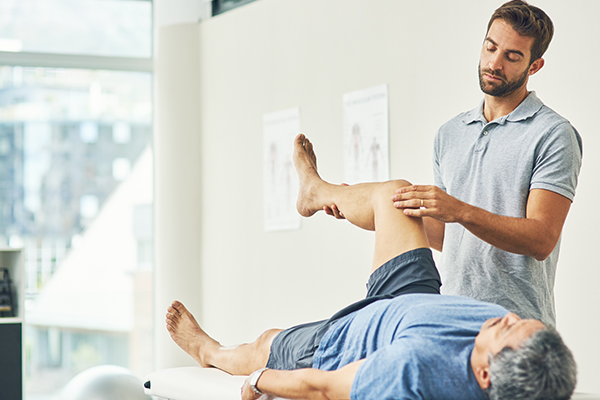
- Physical Therapy: Engaging in personalised physical therapy sessions to focus on exercises that enhance mobility, strength, and coordination.
- Strengthening Exercises: Gradually introducing weight-bearing and resistance exercises can help rebuild muscle strength.
- Manual Therapy: Techniques such as joint mobilisations and soft tissue therapy can improve flexibility and range of motion.
- Functional Training: Practicing activities of daily living to prepare for a return to normal function.
- Home Exercise Program: Following a structured home exercise plan to ensure consistent rehabilitation.
What Does a Rehabilitation Program Involve?
A comprehensive rehabilitation program at Peak Physiotherapy will typically include:
- Initial Assessment: A detailed evaluation of your surgical site and physical capacity.
- Goal Setting: Collaboratively determining achievable milestones for strength and functionality.
- Progress Monitoring: Regular assessments to measure progress and adapt your rehabilitation program as needed.
- Education: Providing guidance on injury prevention strategies and proper footwear support.
How Long Will Recovery Take?
The duration of recovery can vary significantly based on several factors, including:
- The type of surgery performed
- Your overall health status
- Compliance with rehabilitation protocols
In general, patients can expect to see initial improvements within a few weeks, with full recovery potentially taking several months.
What Are Common Mistakes to Avoid During Recovery?
Patients often make several mistakes that can impede their recovery:
- Ignoring Pain: It's important to differentiate between discomfort from exercise and pain signaling a problem.
- Skipping Exercises: Consistency is key; ensuring you adhere to the prescribed exercise plan is vital.
- Rushing the Process: Allow your body the time it needs to heal naturally and avoid premature return to high-impact activities.
Frequently Asked Questions (FAQ)
1. How soon can I start exercising after my surgery?
The timeline for returning to exercise largely depends on your specific surgery and healing process. Typically, light exercises may be introduced within a few days post-operation; however, consult your physiotherapist for personalised advice.
2. Can I walk normally immediately after surgery?
Walking ability will depend on the type of surgery performed. In many cases, patients may require assistance or a support device initially, progressing to weight-bearing as advised by their healthcare team.
3. Are there any specific exercises recommended for post-operative rehabilitation?
Yes, exercises typically include ankle pumps, toe raises, and gentle stretching. A physiotherapist will create a tailored program that focuses on your recovery needs.
4. When will I be able to resume daily activities post-surgery?
Recovery timelines vary; many patients can resume light daily activities by 4-6 weeks, while more intense activities may require several months. Your physiotherapist will provide guidance throughout your recovery.
5. How can I manage pain during recovery?
Managing post-operative pain can involve a combination of medications, ice application, and physical therapy. Always follow your doctor’s recommendations for pain management strategies.
Conclusion: Take the Next Step Toward Healing
Regaining strength after orthopaedic surgery can be a challenging but rewarding journey. At Peak Physiotherapy in Galway City, our expert team is dedicated to supporting you through every step of your recovery with personalized rehabilitation plans.
For further assistance and to book your appointment, please visit our online booking page.