How Rehab Improves Surgical Outcomes
Understanding the Role of Rehabilitation in Improving Surgical Outcomes
After undergoing foot or ankle surgery, many patients are eager to return to their regular activities. However, the journey to full recovery often requires a structured rehabilitation program tailored to individual needs. At Peak Physiotherapy in Galway City, we emphasize the importance of rehabilitation in enhancing surgical outcomes. In this article, we will explore how rehabilitation contributes to better recovery, the types of rehabilitation involved, and key practices that promote healing.
What Are the Benefits of Rehabilitation After Foot Surgery?
Rehabilitation is essential post-surgery as it mitigates complications and accelerates recovery. The benefits include:
- Improved Mobility: Rehabilitation helps regain strength and flexibility in the foot and ankle, allowing for a smoother return to daily activities.
- Pain Management: Physical therapy techniques can reduce postoperative pain and improve comfort levels.
- Scar Tissue Management: Specific exercises can help in managing scar tissue formation, which can limit movement if left unaddressed.
- Injury Prevention: A well-structured rehab program educates patients about body mechanics and gait, reducing the risk of future injuries.
- Psychological Benefits: Engaging in rehabilitation can improve mental health, as it helps clients feel proactive about their recovery.
How Does Rehabilitation Work for Different Foot Conditions?
What Conditions Benefit from Rehabilitation?
Several common foot conditions post-surgery greatly benefit from rehabilitation:
- Plantar Fasciitis: Post-surgical rehab focuses on strengthening the arch and relieving pain.
- Achilles Tendon Rupture: Rehabilitation helps restore function to the Achilles tendon, improving mobility and reducing stiffness.
- Foot Fractures: After immobilization, rehabilitation is crucial to regaining strength and range of motion.
- Neuroma Surgery: Rehab focuses on improving sensory and motor function after neuroma removal.
What Rehabilitation Techniques Are Used?
Rehabilitation typically employs a range of techniques to ensure effective recovery:
- Physical Therapy: Tailored exercises aimed at increasing strength and flexibility.
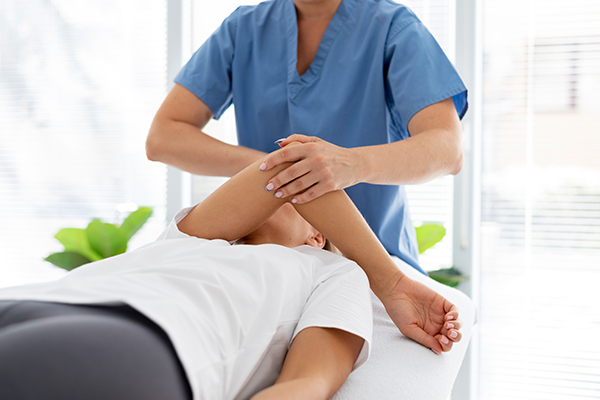
- Manual Therapy: Techniques used to manipulate joints and tissues to promote healing.
- Electrical Stimulation: Modalities that help reduce pain and stimulate muscle contractions.
- Cold and Heat Therapy: Application of modalities to alleviate inflammation and promote circulation.
How Long Does Rehabilitation Last After Foot Surgery?
The duration of rehabilitation varies based on the type of surgery and the individual patient. Generally, a rehabilitation program can last from a few weeks to several months. Most patients will notice improvement within the first few weeks, but complete healing and strength recovery can take longer. Following the advice of your physical therapist and attending regular sessions at Peak Physiotherapy will ensure the best outcomes.
Is At-Home Care Important During Rehabilitation?
Yes, at-home care plays a crucial role in the rehabilitation process. Patients should continue prescribed exercises and follow at-home treatment protocols. This may include:
- Regularly performing stretching and strengthening exercises as advised.
- Using ice or heat packs as recommended to manage swelling and pain.
- Keeping the surgical site clean and monitoring for any signs of infection.
What Should Patients Expect During Rehabilitation?
Patients should be prepared for a progressive rehabilitation plan that evolves based on their surgical procedure and healing progress. Key elements include:
- Initial Assessment: A physical therapist will evaluate mobility, strength, and pain levels.
- Customized Exercise Program: Tailored exercises focusing on specific needs.
- Monitoring Progress: Regular evaluations to track improvements and adjust the program as needed.
- Patient Education: Learning about proper body mechanics and injury prevention strategies.
FAQ about Rehabilitation After Surgery
1. How soon can I start rehabilitation after surgery?
Rehabilitation often starts as early as a few days post-surgery, depending on your doctor’s recommendations.
2. Will rehabilitation be painful?
While some discomfort may occur during rehabilitation, a qualified therapist will work to manage pain while promoting recovery.
3. How can I ensure a successful rehabilitation process?
Follow your therapist’s instructions, attend all scheduled sessions, and communicate openly about any concerns or issues.
4. Can rehabilitation prevent future surgeries?
Yes, effective rehabilitation can alleviate underlying issues, significantly reducing the risk of future surgeries.
5. When will I return to normal activities after surgery?
Recovery time varies, but with proper rehabilitation, many patients can return to normal activities within 6 to 12 weeks.
Conclusion
Effective rehabilitation plays a vital role in improving surgical outcomes, enhancing recovery for patients undergoing foot and ankle procedures. At Peak Physiotherapy in Galway City, our experienced team is dedicated to providing tailored rehabilitation programs that promote healing and prevent future injuries. Don’t hesitate to embark on your road to recovery. Click the link to book your consultation today.