Rehabilitation Techniques in Galway City Explained
Understanding Rehabilitation Techniques in Galway City
At Peak Physiotherapy in Galway City, we understand the significance of comprehensive rehabilitation techniques tailored to enhance foot health and overall mobility. Whether recovering from an injury or managing chronic conditions, our team is dedicated to employing evidence-based practices to support your needs.
What Causes Foot Conditions Requiring Rehabilitation?
Foot conditions can arise from a variety of factors, including:
- Injuries: Sprains, fractures, and tendon injuries are common reasons for rehabilitation.
- Chronic Conditions: Conditions such as plantar fasciitis, arthritis, and peripheral neuropathy often require long-term management.
- Aging: As we age, the risk of foot problems increases, necessitating support through rehabilitation.
- Biomechanical Issues: Flat feet, high arches, and other structural abnormalities can lead to pain and dysfunction.
How Can I Treat Foot Pain Effectively?
Effective treatment of foot pain often involves a combination of interventions, including:
- Physical Therapy: Structured exercises aimed at enhancing strength, flexibility, and coordination.
- Manual Therapy: Hands-on techniques employed by physiotherapists to mobilise joints and soft tissues.
- Orthotics: Custom-made inserts designed to support foot structure and alleviate discomfort.
- Modalities: Therapeutic tools such as ultrasound, electrical stimulation, or heat applications for pain relief.
What Rehabilitation Techniques Are Used at Peak Physiotherapy?
At Peak Physiotherapy, we utilise a variety of rehabilitation techniques tailored to each patient's unique needs. Some commonly implemented methods include:
1. Exercise Therapy
Exercise therapy focuses on guided physical activity to improve strength and function. Key exercises may include:
- Strengthening Exercises: Targeting muscles in the foot and lower leg to enhance stability.
- Stretching Routines: Aimed at reducing tension and improving the range of motion.
- Balance Training: Activities designed to enhance proprioception and reduce the risk of falls.
2. Manual Therapy Techniques
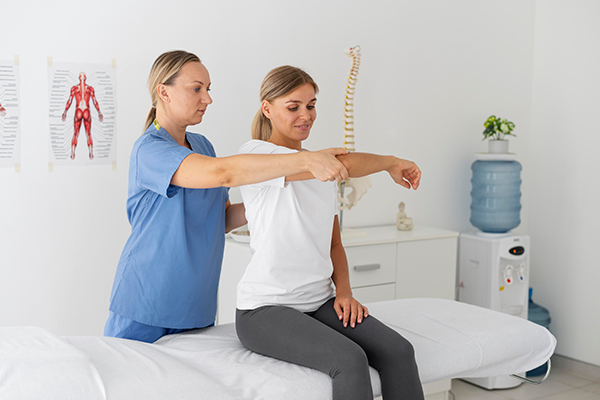
Manual therapy is a hands-on approach that can provide significant relief. Techniques include:
- Joint Mobilisation: Gentle movements to improve joint function.
- Soft Tissue Manipulation: Methods to relieve tension in muscles and fascia.
3. Education and Self-Management Strategies
Patient education is a cornerstone of rehabilitation. We provide:
- Footwear Advice: Recommendations for supportive shoes that align with individual needs.
- Activity Modifications: Guidance on adapting activities to reduce pain and risk of injury.
How Long Does Rehabilitation Usually Take?
The timeline for rehabilitation can vary significantly based on the individual and the specific condition being treated. Factors influencing the duration include:
- Severity of the Condition: More severe injuries may require longer rehabilitation periods.
- Individual Commitment: Adherence to prescribed exercises and recommendations enhances recovery.
- Response to Treatment: Monitoring progress allows for adjustments in the rehabilitation plan to optimise outcomes.
Are There Any Risks Associated with Rehabilitation?
While rehabilitation therapy is generally safe, certain risks exist, including:
- Increased Pain: Some patients may experience temporary discomfort during treatment.
- Overexertion: Insufficient recovery time can lead to setbacks.
Working closely with our physiotherapists at Peak Physiotherapy ensures that risks are minimised and managed effectively.
Frequently Asked Questions (FAQ)
1. What should I expect during my first rehabilitation session?
During your first session, our physiotherapists will conduct a comprehensive assessment, discuss your medical history, and establish a personalised treatment plan based on your needs.
2. How often should I attend rehabilitation sessions?
The frequency of sessions varies based on your specific condition, but typically ranges from one to twice a week.
3. Can I continue my daily activities while undergoing rehabilitation?
Yes, most patients can continue daily activities with modifications based on guidance from your physiotherapist.
4. How do I know if rehabilitation is working?
Regular assessments will help track your progress. Improved function, reduced pain, and increased mobility are positive indicators of effective rehabilitation.
5. Is rehabilitation covered by health insurance?
Many health insurance plans cover physiotherapy services; however, it's best to check with your specific provider for details on coverage.
Conclusion
The path to recovery and improved foot health begins with effective rehabilitation techniques. At Peak Physiotherapy in Galway City, our experienced team is here to support you every step of the way. If you are experiencing foot pain or other related conditions, don't hesitate to reach out.
Book your appointment today here!