
Stress, Clenching, and Headaches: Galway Physio Can Help
Understanding the Connection Between Stress, Clenching, and Headaches
Stress is an ever-present challenge in our lives, affecting both our mental and physical well-being. Many people do not realise that stress can lead to a series of physical symptoms, including headaches, which are often exacerbated by teeth clenching, a common reaction to stress. At Peak Physiotherapy in Galway City, we understand the impact of these conditions on your daily life and are here to help you find relief.
What Causes Headaches Related to Stress and Clenching?
Headaches can manifest in different forms, including tension headaches and migraines. Stress-induced headaches are frequently the result of muscle tension and clenching of the jaw, which can lead to tightness in the neck and shoulder area, ultimately triggering pain radiating to the head.
- Tension Headaches: Characterised by a dull, aching sensation and tightness, often caused by stress-related muscle tension.
- Cluster Headaches: Typically brief but intensely painful, these headaches can be influenced by stress and physical fatigue.
- Migraines: Often exacerbated by stress, they involve severe, pulsing pain, often accompanied by nausea and sensitivity to light or sound.
How Do Stress and Clenching Go Hand in Hand?
Stress causes the body to react in various ways, including muscle tension. Many individuals unconsciously clench their teeth when stressed, leading to excessive pressure on the jaw muscles. This can create a cycle where stress leads to clenching, which in turn heightens stress and causes headaches.
Furthermore, the temporomandibular joint (TMJ), which connects the jawbone to the skull, can become strained from prolonged clenching. This discomfort can further contribute to tension headaches.
What Foot Conditions Are Commonly Associated With Stress?
Interestingly, stress can also lead to several foot conditions, exacerbating your overall discomfort. Some common issues include:
- Plantar Fasciitis: Inflammation of the plantar fascia that may develop due to altered gait from stress-induced muscle tension.
- Achilles Tendinitis: Can occur as stress changes walking patterns, leading to overuse of the Achilles tendon.
- Flat Feet: Stress can contribute to muscle fatigue, leading to flat feet or exacerbation of existing flatfoot conditions.
How Can I Treat Headaches Linked to Stress and Clenching?
There are several effective treatment options available to alleviate headaches associated with stress and clenching:
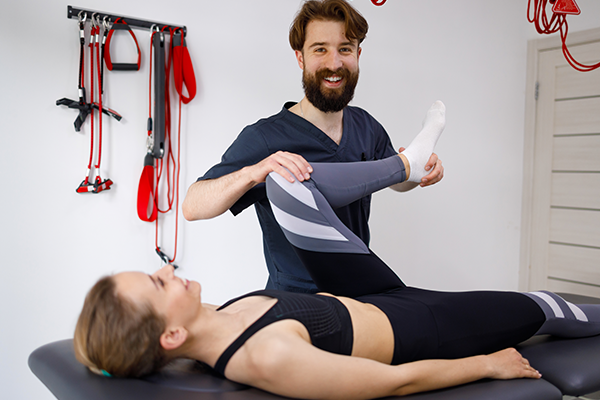
- Physical Therapy: At Peak Physiotherapy, our physiotherapists can provide targeted treatments, including manual therapy, to relieve muscle tension and improve mobility.
- Stress Management Techniques: Incorporating relaxation techniques such as yoga, meditation, and deep-breathing exercises can help reduce stress and limit clenching.
- Custom Orthotics: For foot-related issues, such as lower back pain from altered gait, custom orthotics can help restore proper alignment and mitigate discomfort.
- Medication: Over-the-counter pain relief may be beneficial; however, it’s crucial to discuss any long-term pain relief strategies with a healthcare provider.
What Role Does Physiotherapy Play in Managing These Symptoms?
Podiatrists and physiotherapists at Peak Physiotherapy specialise in evaluating and treating conditions related to both foot health and headaches. A comprehensive assessment can help identify the underlying causes of your symptoms and guide the treatment plan, ensuring it is tailored to your individual needs.
Sessions may include:
- Postural Alignment: Correcting postural irregularities that could contribute to muscle tension.
- Strengthening Exercises: To build resilience in the muscles supporting the jaw and neck.
- Flexibility Training: Enhancing flexibility to reduce muscle tightness and promote relaxation.
Frequently Asked Questions About Stress, Clenching, and Headaches
- Q: Can stress really cause headaches?
A: Yes, stress is a common trigger for tension-type headaches and can exacerbate other headache disorders.
- Q: What can I do at home to relieve stress-related headaches?
A: Home remedies such as applying cold or warm compresses, practicing relaxation techniques, and staying hydrated can be effective.
- Q: How often should I see a physiotherapist for headaches?
A: The frequency of visits will depend on your individual condition and treatment needs, generally ranging from once a week to biweekly.
- Q: Do I need a referral to see a physiotherapist for headaches?
A: In most cases, a referral is not necessary, but it's worth checking with your insurance provider for coverage specifics.
- Q: What should I expect during my physiotherapy session?
A: You will undergo a detailed assessment, followed by individualized treatment techniques based on your specific issues.
Conclusion
Managing headaches stemming from stress and clenching is vital for enhancing your quality of life. At Peak Physiotherapy in Galway City, our experienced team is dedicated to helping you find the relief you need. Don’t let pain hold you back any longer. Book an appointment today to start your journey towards better health!