
Teeth Grinding and Muscle Tension
Understanding the Connection Between Teeth Grinding and Muscle Tension
Welcome to the Peak Physiotherapy clinic in Galway City, where we aim to provide you with comprehensive insights into various health concerns. One prevalent issue that affects many individuals is teeth grinding, also known as bruxism, which can be closely associated with muscle tension in the jaw and other areas of the body. In this article, we will explore the causes, symptoms, and treatment options for teeth grinding and its impact on muscle tension.
What Causes Teeth Grinding?
Teeth grinding can result from several factors, including:
- Stress and Anxiety: Emotional stress is one of the most significant contributors to bruxism. As stress levels rise, the body tends to tense muscles, including those in the jaw.
- Sleep Disorders: Conditions like sleep apnea can lead to disrupted sleep, increasing the likelihood of teeth grinding during the night.
- Malocclusion: Misalignment of the teeth can create pressure that leads to grinding. This includes overbites, underbites, or crooked teeth.
- Medication Side Effects: Certain medications, especially those for anxiety or depression, can have bruxism as a side effect.
- Substance Use: Caffeine, alcohol, and recreational drugs may increase muscle tension and lead to teeth grinding.
How Does Teeth Grinding Cause Muscle Tension?
When a person grinds their teeth, the jaw muscles are engaged persistently and forcefully. This excessive contraction can lead to muscle fatigue and tension not only in the jaw area but also radiating to the neck, shoulders, and even the feet. This phenomenon is known as referred pain, where discomfort in one area is felt in another, showcasing the interconnectedness of bodily systems.
What Symptoms Indicate You Might Be Grinding Your Teeth?
The following symptoms can help identify whether you are experiencing teeth grinding:
- Jaw Pain: Ongoing discomfort in the jaw, especially upon waking.
- Headaches: Frequent tension headaches or migraines that seem to worsen at times.
- Earache: Although it is not an ear infection, pain can radiate to the ear area.
- Tooth Damage: Worn down enamel or other dental issues can arise from prolonged grinding.
- Muscle Tightness: Noticeable tension in the neck and shoulders or a feeling of tightness in the jaw muscles.
How Can I Treat Teeth Grinding and Associated Muscle Tension?
Effective treatment for bruxism often requires a multi-faceted approach, focusing on both the jaw and overall muscle tension:
- Stress Management: Techniques such as cognitive behavioural therapy (CBT), meditation, and mindfulness can help reduce stress levels and the associated muscle tension.
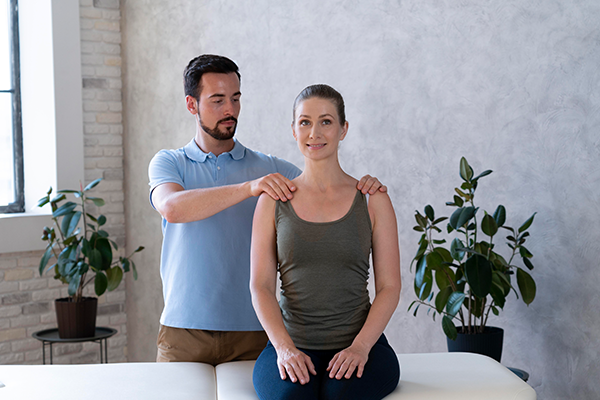
- Physical Therapy: Engaging with a qualified physiotherapist can aid in relieving muscle tension through targeted exercises and stretches specific to jaw and neck muscles.
- Custom Mouth Guards: Wearing a mouth guard at night can protect your teeth and provide relief from pressure.
- Medication: Muscle relaxants or anti-inflammatory medications may be recommended by healthcare professionals to alleviate discomfort.
- Good Sleep Hygiene: Improving sleep patterns and reducing triggers, such as caffeine, can help mitigate symptoms.
When Should I Seek Medical Advice?
If you're experiencing consistent symptoms of teeth grinding, including but not limited to jaw pain or severe headaches, it’s advisable to seek medical attention. At Peak Physiotherapy in Galway City, our team can help guide you through diagnosing potential underlying issues and provide a tailored treatment plan to alleviate your symptoms.
FAQ
1. Can teeth grinding affect my feet?
While direct effects on the feet are uncommon, muscle tension from grinding can lead to postural changes, which may indirectly impact your feet over time.
2. How can physical therapy help with teeth grinding?
Physical therapy can help by providing exercises and treatments aimed at relieving tension in the jaw and neck regions, ultimately reducing the frequency and severity of teeth grinding.
3. Are there specific exercises to relieve muscle tension from grinding?
Yes, there are various stretches and relaxation exercises that physiotherapists can recommend to help alleviate muscle strain in the jaw and surrounding areas.
4. Can children experience teeth grinding?
Yes, teeth grinding can affect children, often due to stress or misalignment of teeth. Consulting with a pediatric dentist may help address the issue.
5. Is teeth grinding a long-term issue?
Teeth grinding can be a chronic problem for some individuals, but with appropriate management and treatment, many people can find effective relief.
Conclusion
Teeth grinding and muscle tension are interlinked issues that can significantly affect your quality of life. At Peak Physiotherapy in Galway City, we understand the importance of addressing both the symptoms and underlying causes of these conditions. If you are experiencing the effects of bruxism or muscle tension, we encourage you to book an appointment with our experienced team, who can offer personalized care to restore your well-being. You can easily schedule your visit through our booking link.