
Total Knee Replacement Recovery: Galway Physio Insights
Total Knee Replacement Recovery: Galway Physio Insights
Welcome to Peak Physiotherapy, your trusted provider for rehabilitation in Galway City. If you or a loved one are preparing for or recovering from a total knee replacement (TKR), understanding the recovery process is crucial for achieving the best possible outcomes. In this blog, we will explore the recovery timeline, rehabilitation strategies, and common concerns associated with TKR.
What Is Total Knee Replacement?
A total knee replacement is a surgical procedure whereby damaged or arthritic components of the knee joint are removed and replaced with artificial implants. This procedure is primarily indicated for individuals suffering from conditions such as osteoarthritis, rheumatoid arthritis, or knee injuries that cause persistent pain and loss of function.
What to Expect After Surgery
The recovery period following a total knee replacement varies from patient to patient. Here are the key stages you can expect:
Immediate Postoperative Phase (Days 1-3)
- Pain Management: Pain is a common issue post-surgery. Pain relief strategies may include medications prescribed by your surgeon.
- Mobility: Patients typically begin physical therapy within 24 hours of surgery, focusing on gentle movements to promote circulation and prevent stiffness.
- Swelling and Bruising: It’s normal to experience some swelling and bruising around the knee post-operatively. Elevating the leg can help manage this issue.
Early Recovery Phase (Week 1-2)
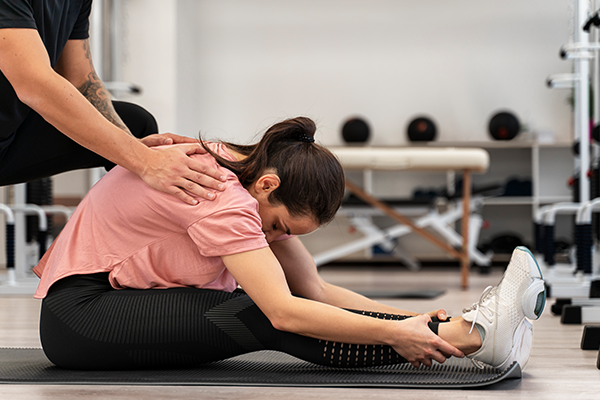
- Physical Therapy: Engaging in physical therapy is essential during this phase. Your physiotherapist at Peak Physiotherapy will guide you through exercises to improve range of motion and strengthen the knee.
- Functional Mobility: Using crutches or a walker may be necessary initially. Gradually, you will work on transferring your weight to the affected leg.
- Home Care: Be proactive about wound care and report any signs of infection to your healthcare provider.
Intermediate Recovery Phase (Weeks 3-6)
- Increased Activity: As you progress, you may start incorporating low-impact activities such as walking and stationary cycling, with guidance from your therapist.
- Strengthening Exercises: Strengthening the quadriceps and hamstrings will be vital during this phase.
- Flexibility Training: Flexibility exercises will help maintain a proper range of motion, which is critical for knee joint function.
Long-Term Recovery (Weeks 6 and Beyond)
- Return to Daily Activities: Many patients can return to everyday activities, including walking or light gardening, within 6-12 weeks.
- Regular Monitoring: Continue follow-up visits with your surgeon and physiotherapist to monitor progress and adjust your rehabilitation plan as needed.
- Long-Term Care: Adopting a healthy lifestyle, including weight management and regular low-impact exercise, will benefit long-term function and knee health.
Common Concerns During Recovery
How Can I Manage Pain Effectively?
Effective pain management typically combines medications, ice therapy, and physical therapy interventions. Always consult with your surgeon for personalized pain relief strategies.
What Are the Signs of Complications?
Be vigilant about monitoring for complications. Symptoms such as increased swelling, severe pain, fever, or changes in the color of the leg could indicate issues like infection or thrombosis. Contact your healthcare provider immediately if you experience any of these symptoms.
Is Physical Therapy Necessary?
Yes, physical therapy is crucial in the recovery process as it aids in regaining strength and mobility. Your physiotherapist at Peak Physiotherapy will develop a tailored rehabilitation program that addresses your specific needs.
When Can I Return to Work?
Return to work largely depends on the nature of your job and your recovery progress. Most patients can return to sedentary work within two to four weeks, while manual labor positions might require six weeks or more.
What Activities Should I Avoid?
Refrain from high-impact activities, such as running and jumping, especially in the first six months post-surgery. Gradual reintroduction of activities should be determined in consultation with your physiotherapist.
Conclusion
In conclusion, the recovery from a total knee replacement is an essential process that greatly impacts your quality of life and mobility in Galway City. At Peak Physiotherapy, we are dedicated to providing personalized care and support during your recovery journey. If you have questions or need assistance, please don’t hesitate to reach out or book an appointment.
Ready to take the next step in your recovery? Book your session today at Peak Physiotherapy and start on the path towards your enhanced mobility and comfort.
FAQs
- How long does recovery take after a total knee replacement? Recovery can take anywhere from six weeks to six months, depending on individual factors and adherence to rehabilitation.
- What types of exercises should I begin after surgery? Start with basic range-of-motion exercises, progressing to strengthening and low-impact activities with guidance from your physiotherapist.
- Can I drive after a total knee replacement? Generally, you can resume driving once you are off strong pain medications and can operate the vehicle safely, typically 4-6 weeks post-surgery.
- How can I reduce swelling in my knee post-surgery? Elevation, ice therapy, and compression can effectively help in managing post-operative swelling.
- What is the best way to stay motivated during rehabilitation? Setting realistic goals, keeping a positive mindset, and celebrating small achievements with the help of your physiotherapist can keep you motivated.