
Understanding Sciatica: Causes and Relief Options
Introduction to Sciatica
Welcome to Peak Physiotherapy, your trusted podiatry clinic located in Galway City. Today, we will discuss sciatica, a condition that affects many individuals and can lead to significant discomfort. Understanding sciatica's causes and exploring effective relief options can empower you to take action and improve your quality of life.
What is Sciatica?
Sciatica is characterized by pain that radiates along the path of the sciatic nerve, which branches from the lower back through the hips and buttocks and down each leg. Most commonly, sciatica affects only one side of the body. The pain can vary in intensity and may include symptoms such as:
- Sharp pain along the nerve route
- Burning or tingling sensations
- Muscle weakness in the affected leg
What Causes Sciatica?
Sciatica typically results from pressure on the sciatic nerve, which can arise from various underlying conditions:
- Herniated Discs: Discs that cushion the vertebrae in the spine can become herniated or bulge, pressing against the sciatic nerve.
- Spinal Stenosis: This condition involves a narrowing of the spinal canal, which can put pressure on the nerves.
- Piriformis Syndrome: The piriformis muscle, located in the buttock region, can sometimes spasm and irritate the nearby sciatic nerve.
- Spondylolisthesis: This occurs when a vertebra slips forward over another, potentially leading to nerve compression.
- Injury or Trauma: Physical injuries, such as falls or car accidents, can result in lumbar spine issues impacting the sciatic nerve.
How is Sciatica Diagnosed?
A healthcare provider typically conducts a comprehensive physical examination to assess your symptoms. Diagnostic imaging such as X-rays, MRIs, or CT scans may be used to identify the underlying cause of sciatica. Understanding the specific root cause is crucial for crafting an effective treatment plan.
How Can I Treat Sciatica?
Effective management of sciatica often involves a combination of treatments tailored to your individual needs. Here are several relief options:
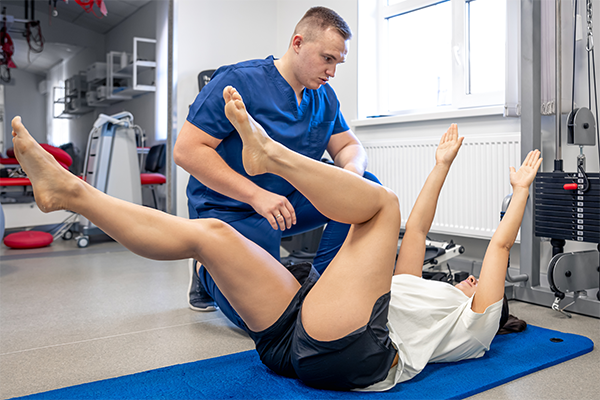
- Physical Therapy: Engaging in a structured physical therapy program can enhance flexibility and strengthen the muscles surrounding the spine. Specific exercises can help alleviate pressure on the sciatic nerve.
- Chiropractic Care: Chiropractic adjustments may help realign the spine and reduce nerve irritation.
- Medication: Nonsteroidal anti-inflammatory drugs (NSAIDs) or muscle relaxants can reduce inflammation and alleviate pain.
- Heat and Ice Therapy: Applying heat pads or cold packs can help soothe inflamed areas and relieve acute pain episodes.
- Injections: In some cases, corticosteroid injections may be used to reduce inflammation around the affected nerve.
- Surgical Options: When conservative treatments fail, surgical interventions may be considered to relieve the pressure on the sciatic nerve.
What Lifestyle Changes Can Help Manage Sciatica?
In addition to medical treatments, certain lifestyle changes can bolster sciatica management:
- Maintain Proper Posture: Practicing good posture can help alleviate stress on your spine and sciatic nerve.
- Stay Active: Regular low-impact exercise, such as walking or swimming, can improve mobility and reduce pain.
- Weight Management: Maintaining a healthy weight can decrease the strain on your spine and reduce overall foot and leg discomfort.
- Ergonomic Adjustments: Ensure your work environment is ergonomically friendly to reduce strain on your back and legs.
When Should I Seek Medical Help?
If you experience severe pain, loss of sensation in your leg, or any symptoms of bladder or bowel dysfunction, it is essential to seek immediate medical attention. These could be signs of a serious underlying condition requiring urgent care.
FAQ: Understanding Sciatica
- What are the early signs of sciatica? Early signs often include sharp pain in the lower back, along with tingling or burning sensations in the leg.
- Can sciatica go away on its own? Yes, in many cases, sciatica can resolve on its own with time and conservative care.
- Is sciatica hereditary? While hereditary factors can influence spinal health, sciatica itself is typically related to specific conditions rather than genetics.
- Are there specific exercises that help sciatica? Yes, exercises that focus on stretching the lower back and hip muscles, as well as strengthening core muscles, can be beneficial.
- What role does sleep play in sciatica management? Adequate, restful sleep is critical for healing. Ensuring you have a supportive mattress can also influence pain levels.
Conclusion
Understanding sciatica is crucial for effective treatment and management, and at Peak Physiotherapy in Galway City, we are dedicated to providing tailored care to address your specific needs. If you are suffering from sciatica pain or symptoms, do not hesitate to reach out to our clinic. Schedule an appointment today via our booking link here and let us help you find relief.