Understanding Ultrasound Therapy: Insights From Galway Physios
Understanding Ultrasound Therapy: Insights From Galway Physios
At Peak Physiotherapy in Galway City, we strive to provide our patients with comprehensive insights into various treatment modalities, including ultrasound therapy. This non-invasive technique has gained recognition for its effectiveness in treating a wide range of musculoskeletal conditions. In this article, we will delve into what ultrasound therapy is, how it works, and when it may be appropriate for your treatment.
What Is Ultrasound Therapy?
Ultrasound therapy is a clinical treatment that utilizes high-frequency sound waves to promote healing in affected tissues. The therapy is primarily used to alleviate pain, reduce inflammation, and enhance tissue repair, making it a beneficial option in podiatry for conditions affecting the feet and lower limbs.
How Does Ultrasound Therapy Work?
The mechanism of ultrasound therapy involves the application of sound waves through a gel medium onto the skin's surface. These sound waves penetrate deep into the tissues, generating a thermal and mechanical effect that encourages cellular repair and increases circulation. The benefits include:
- Reduction of pain and inflammation
- Acceleration of tissue healing
- Improvement of range of motion
- Stimulation of collagen production
What Conditions Can Ultrasound Therapy Treat?
Ultrasound therapy can be effective for a variety of foot and ankle conditions including:
- Plantar Fasciitis: A common cause of heel pain characterized by inflammation of the plantar fascia.
- Tendinitis: Inflammation of the tendons, prevalent in the Achilles tendon.
- Shin Splints: Pain and discomfort in the lower leg due to overuse injuries.
- Stress Fractures: Small cracks in the bones resulting from repetitive force or overuse.
- Soft Tissue Injuries: Sprains, strains, and tears in the ligaments or muscles surrounding the foot.
What Are the Benefits of Ultrasound Therapy?
The advantages of ultrasound therapy include:
- Non-invasive: Unlike surgical interventions, ultrasound therapy is a safe, non-surgical approach to managing pain.
- Quick Treatment Sessions: Typically lasting only 5 to 10 minutes, making it easy to fit into your schedule.
- Minimal Side Effects: Few patients experience adverse effects, and any sensations felt are typically mild and transient.
How Is Ultrasound Therapy Administered?
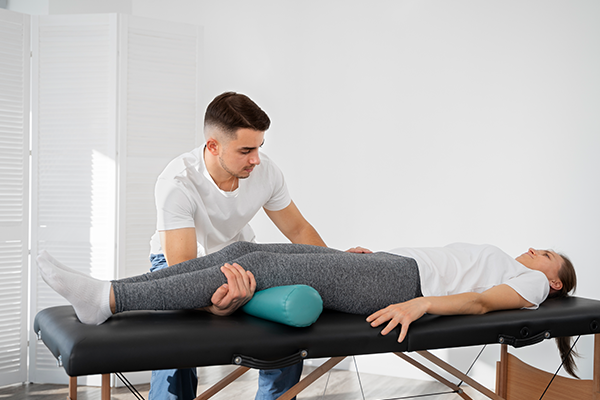
A qualified physiotherapist at Peak Physiotherapy will assess your specific condition and determine the appropriateness of ultrasound therapy. During the session, a gel is applied to the affected area to facilitate the transmission of sound waves. A handheld transducer is then moved over the target region, delivering the ultrasound energy to the tissues beneath the skin.
How Many Sessions Will I Need?
The frequency and duration of ultrasound therapy vary based on individual conditions and response to treatment. On average, a course may involve several sessions per week over a span of weeks. Our physiotherapists at Peak Physiotherapy will provide personalized recommendations based on your healing progress.
Is Ultrasound Therapy Safe?
Ultrasound therapy is well-tolerated and considered safe when performed by trained professionals. However, it may not be suitable for everyone. Certain contraindications include:
- Pregnancy
- Cancerous lesions
- Active infections
- Pacemakers or other implanted electronic devices
- Areas with decreased sensation
What to Expect After Ultrasound Therapy
Following treatment, some patients report immediate relief and reduced pain levels. While others may experience a gradual improvement over several sessions. It’s crucial to follow any post-treatment advice provided by your therapist to maximize the benefits.
Frequently Asked Questions (FAQ)
1. How does ultrasound therapy compare to other treatments?
Ultrasound therapy is often used in conjunction with other treatments such as physical therapy and medication. Unlike oral medications, which may have systemic side effects, ultrasound specifically targets the affected area.
2. Can ultrasound therapy help with chronic conditions?
Yes! It is particularly effective in managing chronic conditions such as tendinitis and plantar fasciitis, aiding in pain management and promoting long-term structural healing.
3. Will I feel pain during the ultrasound therapy?
Most patients find ultrasound therapy to be comfortable. You may feel a slight warming sensation, but the procedure should not be painful.
4. Can I drive after my ultrasound sessions?
Yes, ultrasound therapy is non-invasive and does not impair your ability to drive or perform regular activities afterward.
5. How can I book an ultrasound therapy session with Peak Physiotherapy?
You can easily book an appointment through our website: Book an Appointment.
At Peak Physiotherapy in Galway City, we prioritize your foot health and wellness through evidence-based treatments like ultrasound therapy. If you’re experiencing foot pain or other related conditions, we encourage you to reach out to our experienced team for a personalized assessment and treatment plan tailored to your needs.