
Why Your Hamstrings Always Feel Tight – Galway Physiotherapists Explain
Introduction
If you’ve ever experienced tight hamstrings, you’re not alone. This common issue affects many people, often leaving them wondering about the root causes and effective treatments. At Peak Physiotherapy in Galway City, our expert physiotherapists are dedicated to helping you understand why your hamstrings may feel tight, and how we can assist in alleviating discomfort.
What Causes Tight Hamstrings?
Tight hamstrings can stem from various factors, including:
- Lack of Flexibility: Inactivity or prolonged sitting can lead to muscle stiffness, particularly in the hamstrings, quadriceps, and hip flexors. This is often exacerbated by improper warm-ups before physical activities.
- Muscle Imbalances: Overcompensation by other muscle groups due to weakness or injury can put additional strain on the hamstrings. For instance, weak glutes and abs can lead to improper biomechanics.
- Injury: Previous injuries, such as a hamstring strain, can lead to scar tissue formation and muscle tightness in the affected area.
- Anatomical Differences: Some individuals may have naturally tighter hamstrings due to their anatomical structure, which influences flexibility and range of motion.
- Overuse: Athletes and active individuals who engage in repetitive activities, like running or cycling, may experience tight hamstrings from overexertion.
How Do I Know If My Hamstrings Are Tight?
Identifying tight hamstrings is essential for effective treatment. Here are some indicators:
- Difficulty bending over to touch your toes.
- Pain or discomfort during physical activities, especially running or lifting.
- Recurring lower back pain, which can often be linked to hamstring tightness.
- Muscle soreness in the back of your thighs after exercise.
How Can I Treat Tight Hamstrings?
Treating tight hamstrings involves a combination of stretching, strengthening, and proper physiological care. Here are some effective strategies:
Stretching Exercises
Incorporate these stretching exercises into your routine:
- Standing Hamstring Stretch: Stand tall, place one heel on a low surface, and keep your leg straight while leaning forward.
- Sitting Hamstring Stretch: Sit on the ground with one leg extended and the other bent. Reach for your toes on the extended leg.
- Dynamic Warm-up: Before exercising, perform dynamic stretches targeting the hamstrings, such as leg swings and walking lunges.
Strengthening Exercises
Strengthening surrounding muscle groups is vital for comprehensive care:
- Glute Bridges: Lying on your back, bend your knees and lift your hips towards the ceiling. This primarily strengthens glutes, aiding hamstring flexibility.
- Deadlifts: Performed with proper technique, deadlifts activate the entire posterior chain, including the hamstrings.
Physical Therapy
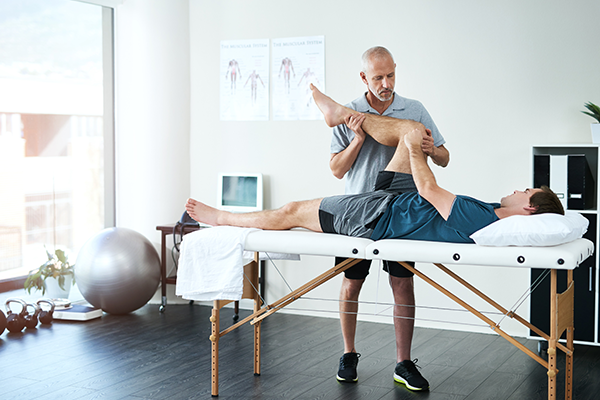
Visiting a qualified physiotherapist at Peak Physiotherapy can provide personalized assessment and treatment plans. Techniques may include:
- Manual Therapy: Techniques such as myofascial release can help reduce muscle tension.
- Ultrasound Therapy: This modality can assist in enhancing circulation and healing in tight muscles.
- Custom Exercise Programs: Tailored to your specific needs, these programs can facilitate gradual improvements in flexibility and strength.
Preventing Tight Hamstrings
To prevent the recurrence of tight hamstrings, consider these daily practices:
- Make time for dynamic stretching before workouts and static stretches afterwards.
- Integrate regular strength training for the entire body, with an emphasis on the hips and core.
- Maintain an active lifestyle, taking frequent breaks from prolonged sitting, to enhance overall flexibility and circulation.
FAQ
1. What should I do if I feel pain while stretching my hamstrings?
Stop the activity immediately, as pain can indicate an injury. It is advisable to consult with a physiotherapist to assess your condition and create an appropriate intervention plan.
2. How long will it take to loosen my tight hamstrings?
The timeline varies for each individual. Consistent practice of stretching and strengthening exercises can result in noticeable improvements within weeks, but chronic conditions may require longer intervention.
3. Can tight hamstrings affect my posture?
Yes, tight hamstrings can lead to an altered pelvis position, which can negatively impact overall posture and contribute to lower back pain.
4. Are there any specific sports or activities that contribute to tight hamstrings?
Yes. Sports like running, cycling, and high-impact sports often place excessive strain on the hamstrings, contributing to tightness and potential injuries.
5. When should I see a physiotherapist for tight hamstrings?
If self-care methods such as stretching or rest are ineffective over a couple of weeks, or if tightness is accompanied by pain, it is essential to seek a professional assessment at Peak Physiotherapy.
Conclusion
Tight hamstrings can be a frustrating issue but understanding the causes and effective treatments can significantly reduce discomfort and enhance your mobility. If you are in Galway City and suffering from tight hamstrings, the dedicated team at Peak Physiotherapy is here to help. Schedule your appointment by visiting our booking link today and take the first step towards achieving flexibility and comfort.