Work-Related Lower Back Pain and Galway City Physio Treatment
Introduction to Work-Related Lower Back Pain
At Peak Physiotherapy in Galway City, we frequently encounter patients experiencing work-related lower back pain. Understanding the root causes and effective treatment options is crucial for optimal recovery and maintaining a healthy lifestyle. This article aims to provide evidenced-based insights into lower back pain related to work, along with physiotherapy treatments available at our clinic.
What Causes Work-Related Lower Back Pain?
Work-related lower back pain can arise from multiple factors. Here are some of the most common causes:
- Poor Posture: Sitting or standing in an improper position often leads to muscle fatigue and strain, contributing to back pain.
- Repetitive Movements: Engaging in repetitive actions—such as lifting heavy objects or prolonged computer work—can stress the back muscles.
- Inadequate Ergonomics: Workspaces that are not ergonomically designed can lead to added strain on the spine.
- Muscle Weakness: Weak core or surrounding muscle groups result in inadequate support for the spine during various activities.
How Can I Identify Symptoms of Lower Back Pain?
Recognizing the symptoms of lower back pain is essential for timely intervention. Common symptoms include:
- Dull or sharp pain in the lower back
- Pain that radiates down the legs
- Stiffness or reduced range of motion
- Muscle spasms or tightness
If you experience these symptoms, it's advisable to seek professional treatment to prevent further complications.
How Can I Treat Work-Related Lower Back Pain?
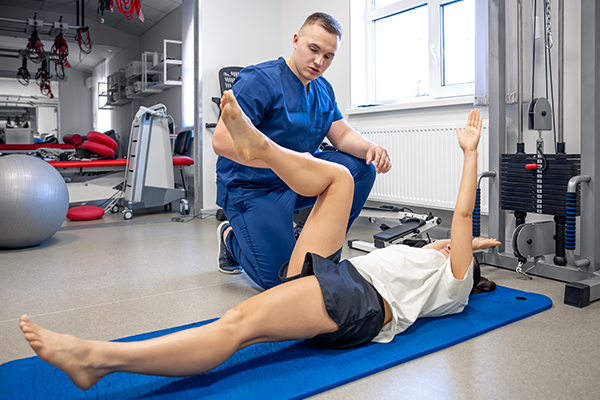
Treatment for work-related lower back pain typically involves a combination of physiotherapy techniques. Here are some methods we utilize at Peak Physiotherapy:
- Manual Therapy: Techniques involving manipulation and mobilization of the spine and surrounding muscles to alleviate pain and enhance mobility.
- Exercise Therapy: Tailored exercise programs aimed at strengthening and stretching the back muscles, promoting better posture and flexibility.
- Education on Ergonomics: Guidance on improving workstation ergonomics to reduce strain and prevent future injuries.
- Modalities: Use of ice, heat, ultrasound, and electrical stimulation to reduce pain and inflammation.
What Role Does the Anatomy of the Back Play?
The anatomy of the lower back, including the lumbar vertebrae, intervertebral discs, ligaments, and surrounding muscles, plays a crucial role in understanding lower back pain. Each part can contribute to or alleviate discomfort:
- Vertebrae: The five lumbar vertebrae support the majority of the body's weight and are prone to injury.
- Discs: Intervertebral discs act as shock absorbers; herniation or degeneration can lead to pain.
- Muscles: A strong core stabilizes the spine; weakness can lead to strain and pain.
How Can In-Home Care Help Manage Lower Back Pain?
In addition to professional treatment, certain in-home care strategies can help manage lower back pain:
- Regular Stretching: Performing gentle stretches can relieve tension and improve flexibility.
- Heat Therapy: Applying heat can soothe tight muscles and improve blood flow.
- Mindfulness Practices: Techniques such as yoga and meditation can enhance relaxation, reducing the perception of pain.
FAQ: Common Questions About Work-Related Lower Back Pain
1. Can work-related lower back pain be prevented?
Yes, implementing ergonomic solutions, practicing good posture, and maintaining physical fitness can significantly reduce the risk of lower back pain.
2. How long does recovery from work-related lower back pain take?
Recovery time varies based on the severity of pain and the individual. Many patients experience relief within a few weeks, while others may require more extensive treatment.
3. Are there specific exercises that help relieve lower back pain?
Yes, exercises like pelvic tilts, leg raises, and gentle back stretches can help alleviate lower back discomfort.
4. When should I seek medical help for lower back pain?
You should consider seeking help if the pain persists for more than a few days, worsens, or is accompanied by other symptoms like numbness or weakness in the legs.
5. Can physiotherapy completely resolve lower back pain?
While many patients experience significant relief, the outcome can vary. A comprehensive physiotherapy plan tailored to your specific needs can lead to substantial improvements.
Conclusion
If you're struggling with work-related lower back pain in Galway City, don't hesitate to reach out to Peak Physiotherapy. Our experienced team is dedicated to providing personalized treatment plans that address your specific needs. With our evidence-based approaches, we aim to help you regain mobility and improve your quality of life.
To schedule an appointment, please click here.